Robocalls in Chicago are regulated by the Telephone Consumer Protection Act (TCPA) and Illinois' Consumer Fraud Act, which mandate explicit consent for automated calls, opt-out options, and clear disclosures. Residents can file complaints and hire a lawyer for robocall laws Chicago for abusive callers. Businesses must comply through privacy policies, informed consent, and staff training. Key strategies include registering on "Do Not Call" lists, using call-blocking apps, and staying informed about legal updates. Engaging a specialized lawyer offers tailored guidance and robust defense against this modern nuisance.
Robocalls are a pervasive and increasingly frustrating issue for residents of Chicago, with millions of unwanted calls flooding in daily. These automated phone calls, often selling products or services, can be a nuisance and even pose security risks. The problem has grown so severe that many Chicagoans feel powerless against the constant deluge of robocalls.
This article provides comprehensive guidance on how to stop robocalls, leveraging legal strategies specifically tailored to Illinois laws. By partnering with an experienced lawyer for robocall cases in Chicago, residents can navigate complex regulations and take back control of their phone lines.
Understanding Robocalls in Chicago: Legal Framework
In Chicago, as across the nation, robocalls have become a pervasive nuisance, with legal implications for both businesses making them and consumers receiving them. Understanding the legal framework surrounding robocalls is crucial to protecting your rights and mitigating unwanted calls. The Telephone Consumer Protection Act (TCPA) of 1992, amended in 2013, serves as the primary legislation governing robocalls, imposing strict restrictions on automated telemarketing calls to residential telephone lines. Violations can result in significant penalties for callers, with consumers able to seek damages and block future calls.
Key provisions of the TCPA include requirements for obtaining explicit consent before making automated calls, allowing consumers to opt-out of receiving such calls, and mandating clear disclosures on call content. Non-compliance can lead to lawsuits, with Illinois adding further protections under its Consumer Fraud Act, which prohibits deceptive or unfair practices, including false representations about the nature or purpose of a call. Chicago residents have the right to file complaints with state and federal agencies, and pursuing legal action through a lawyer for robocall laws Chicago against persistent or abusive callers is an option available to them.
Practical steps individuals can take include registering on national “Do Not Call” registries, using call-blocking apps, and consulting with consumer protection lawyers to understand their rights and options. Businesses should ensure compliance by implementing robust privacy policies, obtaining informed consent, and training staff on telemarketing practices. Regularly reviewing legal updates is essential due to evolving regulations, as demonstrated in recent cases where courts have interpreted the TCPA to protect consumers from innovative yet invasive call tactics. Staying informed and proactive can significantly reduce the impact of robocalls in Chicago.
Protecting Your Rights: Stopping Unwanted Calls
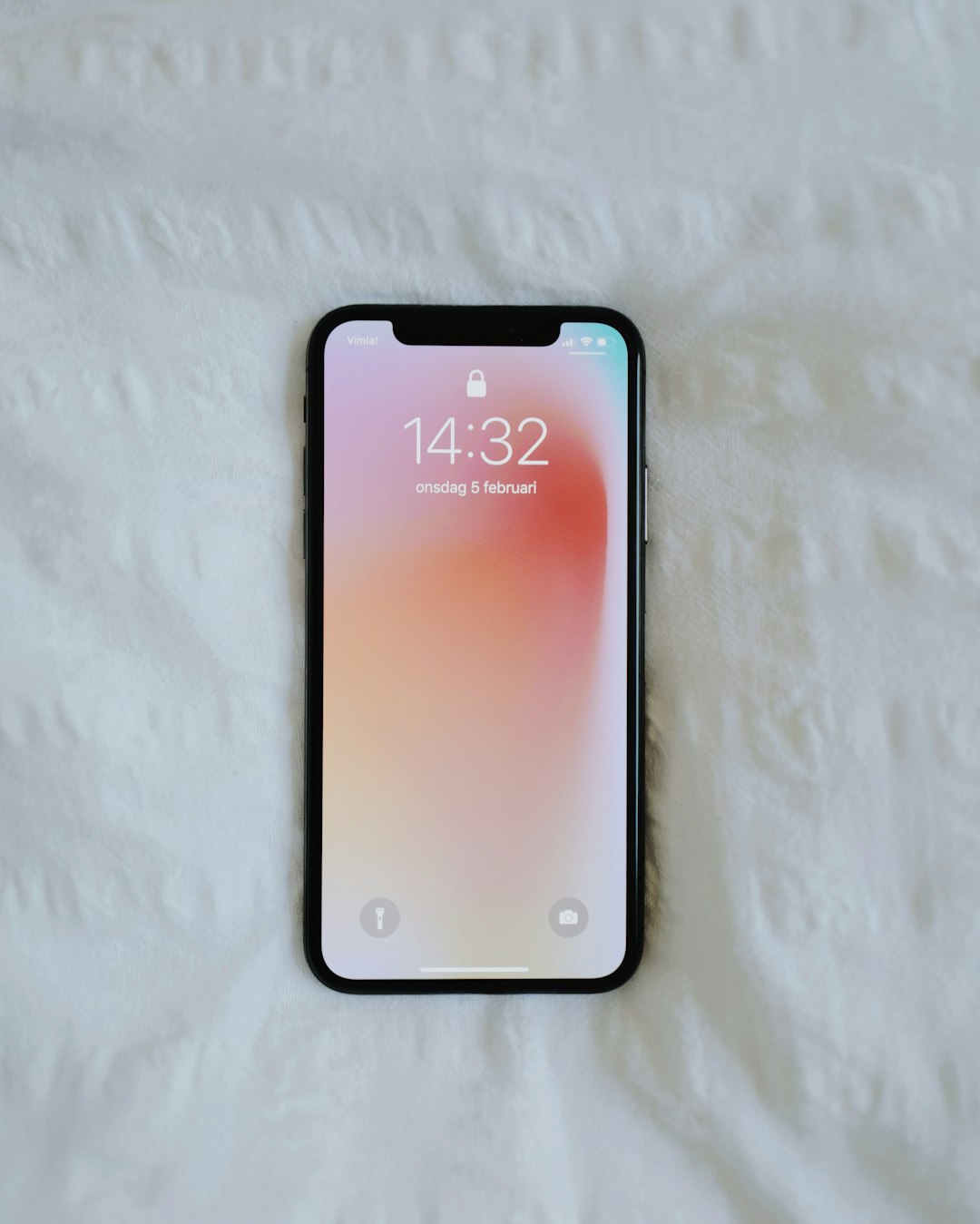
In Chicago, as across the nation, robocalls have become a ubiquitous nuisance, with millions of Americans receiving unwanted calls daily. While some robocalls offer valuable services, many are illegal or misleading, attempting to sell products, promote political candidates, or even defraud individuals. Protecting yourself from these intrusive and often harmful calls is crucial, and understanding your rights is the first step.
Fortunately, several strategies exist to combat this issue. One effective approach is to register on the National Do Not Call Registry. This federal list restricts telemarketers from contacting you unless you opt in. Additionally, many states, including Illinois, have their own do-not-call lists and laws prohibiting certain types of robocalls, such as those made without explicit consent or containing false or deceptive content. Consulting a lawyer for robocall issues in Chicago can provide valuable guidance on navigating these legal protections and understanding your specific rights under state and federal regulations.
Beyond registration, technological solutions offer additional safeguards. Call-blocking apps and devices screen incoming calls, automatically filtering out known robocalls. Many phone service providers also offer built-in call-blocking features or partnerships with anti-robocall technologies. While these tools provide a layer of protection, staying informed about emerging scams and adapting your strategies accordingly remains essential. Regularly reviewing your call history for suspicious activity and reporting excessive robocalls to your service provider can further contribute to an effective defense against unwanted calls.
Finding Relief: Hiring a Lawyer for Robocall Issues in Chicago

In the age of relentless robocalls, Chicago residents often find themselves overwhelmed and frustrated. While many turn to do-it-yourself solutions or rely on generic online guides, a more effective approach involves hiring a lawyer specializing in robocall issues in Chicago. These legal experts are equipped with the knowledge and resources to navigate the complex landscape of telecommunications law, offering tailored strategies for lasting relief.
A lawyer for robocall laws in Chicago can provide critical insights into state and federal regulations designed to protect consumers from unwanted calls. They stay abreast of evolving legislation, ensuring clients receive advice based on the most current legal framework. For instance, the Telephone Consumer Protection Act (TCPA) prohibits automated or prerecorded calls to cellular phones without prior express consent. A qualified attorney can help you understand your rights under this law and take appropriate action if your rights have been violated. By employing legal avenues, individuals can avoid the hassle of dealing with call centers or chasing down companies that ignore Do Not Call requests.
Beyond legal counsel, these professionals offer practical strategies to minimize robocalls. They may suggest registering your number on national Do Not Call lists, blocking known culprits, and adjusting privacy settings on social media and other platforms. Moreover, they can assist in negotiating with call centers or representing you in court if necessary. Engaging a lawyer for robocall laws Chicago provides peace of mind, knowing your rights are protected and that you have an ally fighting against this modern-day nuisance.