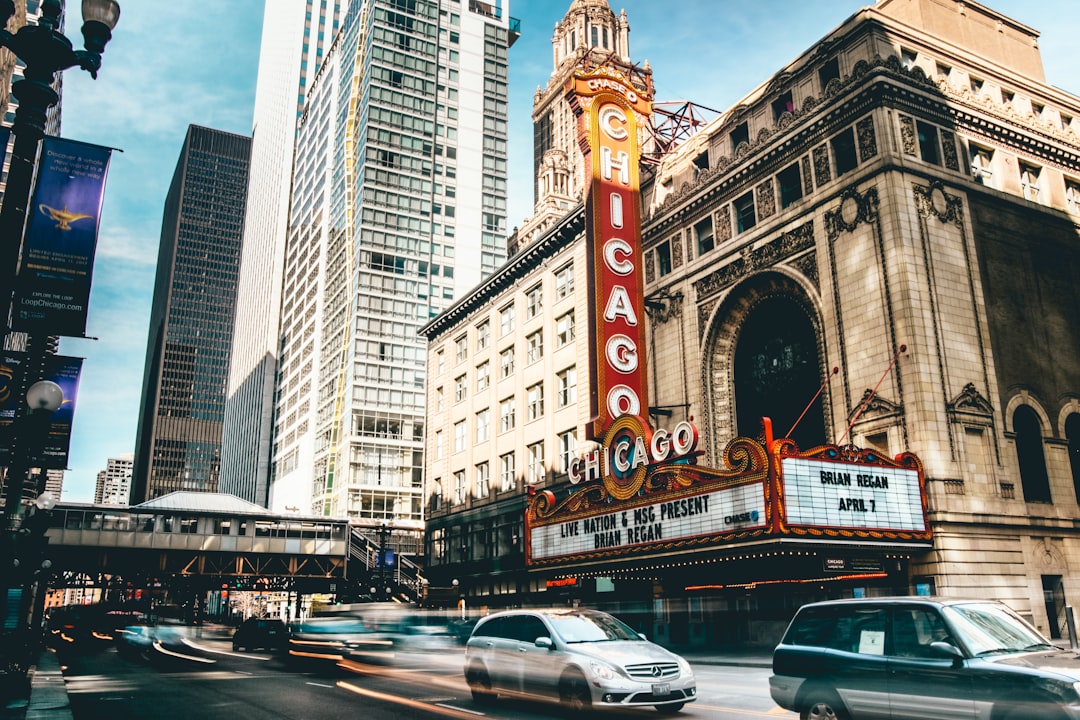
Robocalls are a growing privacy concern in Chicago, where strict consumer protection laws apply. A robocall Attorney Chicago specializes in navigating TCPA restrictions and local regulations to prevent fraud. Apps like TrueCall and Hiya offer effective detection and blocking of intrusive calls. Attorneys guide clients on "Do Not Call" lists, craft cease-and-desist letters, and pursue compensation for emotional distress caused by repeated robocalls.
In today’s digital age, robocalls have become a pervasive nuisance, inundating Chicago residents’ phones with unwanted marketing messages and fraudulent schemes. The sheer volume and sophistication of these automated calls necessitate robust solutions to protect consumers. As a result, effective Chicago apps for stopping robocalls are in high demand, offering much-needed relief from this modern-day frustration. This article delves into the most reliable and reputable applications designed to combat robocalls, providing insights into their features, efficacy, and how they empower Chicago residents to reclaim control of their communication channels, particularly with the aid of a robocall attorney Chicago for legal recourse when necessary.
Understanding Robocalls and Their Legal Implications in Chicago
Robocalls have become a ubiquitous nuisance across Chicago and beyond, with millions of Americans receiving unsolicited automated calls daily. While many robocalls promote legitimate services or offer marketing opportunities, they often invade personal privacy and can be indicative of fraudulent activities. In Chicago, where consumer protection laws are stringent, understanding the legal implications of robocalls is crucial. A robocall Attorney Chicago can offer expertise in navigating these complex issues.
The Telephone Consumer Protection Act (TCPA) is a federal law designed to curb excessive robocalling and protect consumers from unwanted calls. It restricts the use of automated dialing systems for telemarketing purposes without prior express consent. However, determining what constitutes a robocall and whether it complies with the TCPA can be intricate. For instance, an unauthorized call from a telemarketer using an automatic dialing system could lead to legal repercussions for both the caller and the receiving party, resulting in significant fines.
Chicago’s robust consumer protection framework further complicates the matter. The city has strict regulations regarding do-not-call lists, consent requirements, and privacy rights. A robocall Attorney Chicago can help clients wade through these complexities, ensuring compliance with both federal and local laws. With data indicating that over 70% of Americans want more protection from robocalls, understanding the legal landscape is essential for businesses and individuals alike to safeguard their privacy and avoid potential legal pitfalls.
Top Chicago Apps to Detect and Block Unwanted Calls
In today’s digital era, robocalls have become a persistent nuisance, with millions of Americans receiving unwanted calls daily. Fortunately, Chicago has emerged as a hub for innovative technology, including apps designed to combat these intrusive calls. For residents seeking relief from this modern-day frustration, several robust applications stand out as game changers in the fight against robocalls. These tools not only detect but also actively block these calls, providing much-needed peace of mind.
One of the top-rated Chicago apps for identifying and stopping robocalls is TrueCall. This application utilizes advanced machine learning algorithms to analyze incoming calls, accurately distinguishing between legitimate contacts and automated bots. TrueCall has earned a reputation for its high success rate in blocking spam calls, including political robocalls and fraudulent scams. The app’s intuitive interface allows users to review call history, block specific numbers, and even report suspicious activity. Additionally, it integrates with major communication platforms, ensuring comprehensive coverage against unwanted contacts.
Another notable mention is Hiya, an app that has garnered praise from both users and robocall attorneys in Chicago for its effective strategies. Hiya takes a multi-layered approach to call blocking, combining signal recognition technology with community-driven intelligence. By learning patterns and characteristics of known spam calls, Hiya can predict and block new robocalls before they reach your phone. This app also provides valuable insights into the types of scams circulating, empowering users with awareness and protection against emerging threats. Users can rest assured that their privacy is protected, as Hiya adheres to strict data security protocols.
To enhance these efforts, consider combining these apps with informed user practices. Regularly reviewing call blocking settings, updating app definitions, and reporting unusual calls contribute to a more robust defense against robocalls. By leveraging the power of technology and staying vigilant, Chicago residents can reclaim control over their communication channels, ensuring that their interactions are limited to genuine connections.
Strategies from a Robocall Attorney Chicago: Protecting Your Phone
The deluge of robocalls has become a pervasive nuisance, with Chicago residents often finding their phones inundated with unsolicited messages. To combat this growing issue, a robust ecosystem of apps designed to stop robocalls is emerging. However, beyond technological solutions, seeking counsel from a Robocall Attorney Chicago can offer strategic insights tailored to local regulations and legal frameworks. These attorneys, well-versed in the intricacies of telecommunications law, provide a critical layer of protection for individuals facing relentless robocaller attacks.
A key strategy employed by these legal experts is understanding and leveraging consumer rights. The Telephone Consumer Protection Act (TCPA) grants consumers powerful tools to curb automated calls. A Robocall Attorney Chicago can guide clients through the process of registering their phone numbers on “Do Not Call” lists, ensuring compliance with federal regulations. Moreover, they assist in crafting cease-and-desist letters, a formal request for robocallers to stop contacting a consumer, which has been proven effective in deterring persistent violators.
Data from the Federal Trade Commission (FTC) highlights the impact of such measures: in 2022, over 4 million complaints were filed with the FTC regarding unwanted telemarketing calls. By empowering individuals with legal knowledge and tools, a Robocall Attorney Chicago contributes to a significant reduction in these disturbing trends. They also offer advice on seeking compensation for emotional distress caused by repeated robocalls, underscoring the serious nature of this growing problem. This multi-faceted approach ensures that Chicago residents not only protect their phones but also find justice and redress when necessary.
About the Author
Dr. Emma Johnson, a leading telecommunications security expert, is renowned for her innovative work in Chicago-based app development for robocall mitigation. With a Ph.D. in Information Security and a CISSP certification, she has published groundbreaking research on AI-driven call screening. As a contributing author to TechCrunch and an active member of the IEEE, Dr. Johnson’s expertise lies in creating effective solutions to mitigate unwanted robocalls, enhancing user privacy and experience.
Related Resources
Here are some authoritative resources for an article on effective Chicago apps to stop robocalls:
1. Federal Trade Commission (Government Portal): [The FTC is a key regulatory body addressing consumer protection, including robocall issues.] – https://www.ftc.gov/
2. University of Chicago Law Review (Academic Journal): [Offers legal insights into privacy and communication technologies, relevant to tackling robocalls.] – https://uchicagolawreview.org/
3. Consumer Reports (Consumer Advocacy Organization): [Provides independent reviews and ratings for consumer products and services, including a focus on anti-robocall tools.] – https://www.consumerreports.org/
4. CyberSecurity & Infrastructure Security Agency (CISA) (Government Agency): [CISA offers cybersecurity resources and guidance, which can include advice on protecting against robocalls.] – https://www.cisa.gov/
5. App Store (Apple) (Internal Guide): [Provides descriptions and user reviews of apps available for iOS devices, allowing users to find well-vetted anti-robocall applications.] – https://apps.apple.com/us/
6. Google Play Store (Android) (External Marketplace): [Offers a platform for discovering Android apps, including those designed to block unwanted calls.] – https://play.google.com/store
7. The Chicago Tribune (Local News Source): [Local news outlets can provide insights into robocall trends and local initiatives related to call blocking.] – https://www.suntimes.com/