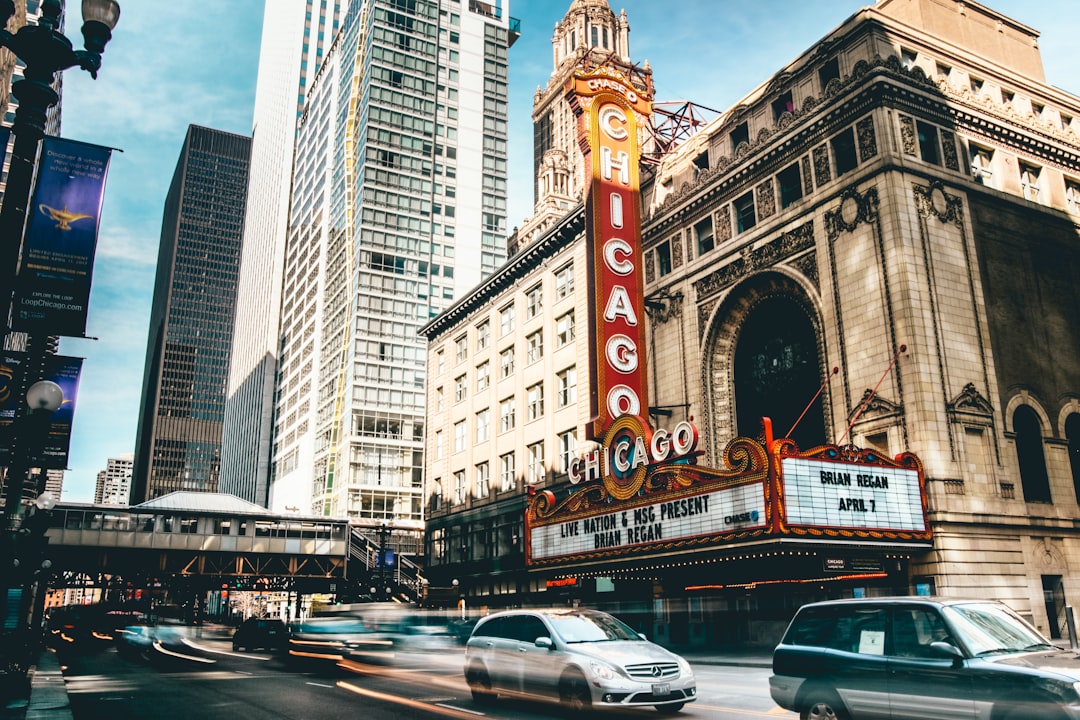
Robocalls pose a significant issue in Chicago, impacting residents across demographics. The Telephone Consumer Protection Act (TCPA) restricts automated calls unless prior consent is given, but advanced robocall technology creates loopholes. Robocall lawyers in Chicago guide clients on TCPA rights, enforce laws through successful cases, and promote proactive measures like registering with the National Do Not Call Registry and using blocking apps. Illinois state laws further protect residents with stricter telemarketing rules and enhanced penalties. Regular updates from legal experts are crucial to stay informed about evolving laws.
Chicago residents can take collective action by reporting robocalls, educating themselves about call characteristics, and using specialized blocking apps like TrueCall. Network-level solutions from carriers also help, but no system is foolproof. Combining technological defenses with awareness reduces unwanted calls. Consulting a Robocall Lawyer Chicago specializing in telecommunications law offers valuable guidance on legal options and emerging trends in robocall mitigation. Community engagement and collaboration with legal experts empower residents to identify and report suspicious calls, leading to advanced call-blocking technologies tailored to local needs.
In today's digital era, the relentless rise of robocalls has become a pervasive and frustrating issue for Chicago residents. These automated phone calls, often disguised as legitimate businesses or government agencies, bombard individuals with unsolicited messages, leaving many feeling invaded and irritated. As the volume of robocalls continues to surge, it's crucial to explore effective solutions tailored to the specific challenges faced by Chicagoans. This article delves into innovative strategies targeted at curbing this nuisance, offering valuable insights for both residents and robocall lawyers Chicago who strive to combat this modern-day frustration. By implementing robust measures, we can reclaim our control over communication channels.
Understanding Robocalls in Chicago: Legal Frameworks
Robocalls have become a pervasive issue across Chicago, affecting residents from all walks of life. To effectively combat this problem, it's crucial to understand the legal frameworks in place aimed at mitigating robocalls. The Telephone Consumer Protection Act (TCPA), a landmark piece of federal legislation, forms the backbone of these efforts. This law restricts automated phone calls and texts to individuals without their prior consent, giving Chicago residents significant protections. However, as robocall technology advances, so do loopholes, necessitating innovative legal strategies.
Chicago's robocall lawyers play a pivotal role in navigating this complex landscape. They assist clients in understanding their rights under the TCPA and help them take action against persistent or illegal robocallers. For instance, a recent case involved a Chicago resident who successfully sued a company for violating TCPA rules, resulting in a substantial settlement. This victory not only provided financial redress but also served as a deterrent to other unscrupulous call centers. Legal experts emphasize that proactive measures, such as registering with the National Do Not Call Registry and using reputable robocall blocking apps, are crucial steps individuals can take to reduce their exposure.
Moreover, Illinois state laws complement federal regulations, offering additional safeguards for its residents. These include stricter rules regarding telemarketing practices and enhanced penalties for violators. By combining these legal tools with consumer awareness, Chicago can create a robust defense against robocalls. Regular updates from robocall lawyers and regulatory bodies are essential to stay informed about evolving laws and adapt strategies accordingly. This multi-faceted approach ensures that Chicago remains at the forefront of protecting its residents from intrusive and often deceptive automated calls.
Identifying & Reporting: Tools for Chicago Residents
Chicago residents face a significant challenge with robocalls, which have become an increasingly prevalent nuisance. Effective solutions require a multi-faceted approach, starting with robust identification and reporting mechanisms. Advanced call-blocking technologies, offered by many service providers, can automatically filter out known robocallers. However, these tools are only as effective as the underlying data they rely on. This is where individual efforts in identifying and reporting play a pivotal role.
Chicago has several avenues for residents to combat robocalls. The Federal Trade Commission (FTC) offers a comprehensive Do Not Call Registry, allowing citizens to register their phone numbers. While this helps block many unwanted calls, it's not foolproof against new and evolving robocallers. A crucial step is educating residents about the unique characteristics of robocalls—from suspicious call patterns to pre-recorded messages. Recognizing these cues enables quicker reporting to relevant authorities, such as the FTC or local consumer protection agencies. For instance, a recent study by the FTC revealed that over 40% of reported robocalls originated from unknown numbers, underscoring the importance of community vigilance.
Reporting is a powerful tool in the battle against robocallers. Chicago residents can utilize specialized apps designed to identify and report these calls. These applications often employ advanced AI algorithms to analyze call patterns and provide real-time feedback. For instance, some apps allow users to record suspicious calls, which can then be submitted to telecom carriers or law enforcement. A notable example is the Robocall Report app, which has garnered significant user contributions worldwide. By collectively sharing information, Chicago residents can create a robust database of known robocaller numbers, helping to identify emerging trends and patterns. Engaging with a robocall lawyer Chicago can also provide valuable insights and legal recourse for severe cases.
Blocking Techniques: Software & Network Solutions
Chicago residents face a persistent challenge from robocalls, prompting many to seek effective blocking techniques. Software and network solutions offer robust defenses against these unwanted calls. One popular approach involves using specialized call-blocking apps that employ advanced algorithms to identify and stop robocalls before they reach your phone. These apps learn from user feedback and community contributions to continuously update their databases of known robocall patterns and numbers, ensuring adaptability to evolving tactics.
For instance, TrueCall, a leading robocall blocking app, has received positive reviews from Chicago users for its ability to block political and marketing calls with high accuracy. Such apps often integrate seamlessly with your phone's native features, allowing you to customize settings and manage blocked numbers easily. Beyond mobile applications, network-level solutions provided by telecommunications carriers can further enhance protection. Some carriers offer call filtering services that analyze incoming calls and automatically block known robocallers based on their reputation and call patterns.
While these software and network solutions are powerful tools in the fight against robocalls, it's important to note that no system is foolproof. Robocallers continuously refine their techniques to bypass blocking mechanisms. To stay ahead, app developers and carriers must continually update their technologies. As a robust strategy, Chicago residents can combine these technological defenses with awareness and caution. Educating yourself about common robocall scams and being mindful of the numbers you share can significantly reduce the volume of unwanted calls. Consulting a robocall lawyer in Chicago who specializes in telecommunications law can also provide valuable guidance on legal options and emerging trends in robocall mitigation.
Legal Action: Collaborating with a Robocall Lawyer Chicago

Combating robocalls has become a pressing issue for residents of Chicago, with these automated calls often posing as legitimate business or government communications. To effectively tackle this problem, individuals can take legal action by collaborating with a Robocall Lawyer Chicago. These attorneys specialize in navigating the complex landscape of telecom regulations and have the expertise to help citizens protect their rights.
One of the primary steps a Robocall Lawyer Chicago can assist with is identifying whether a call constitutes illegal robocalling. The Telephone Consumer Protection Act (TCPA) prohibits automated calls from using prerecorded messages without prior express consent from recipients. Attorneys in this field are well-versed in interpreting these laws and can help determine if a particular case breaches these regulations. For instance, if a resident consistently receives unwanted sales calls despite having opted out, legal action can be taken against the offending company.
Engaging a Robocall Lawyer Chicago offers several practical advantages. These lawyers can file complaints with relevant authorities, such as the Federal Trade Commission (FTC), which has jurisdiction over TCPA violations. They also play a crucial role in negotiating settlements or representing clients in court if necessary. By taking this proactive approach, individuals not only protect themselves from further harassment but also contribute to deterring robocallers who may be targeting other victims. This collaborative effort on the part of citizens and legal professionals is essential to revolutionizing the way robocalls are handled in Chicago and beyond.
Community Engagement: Collective Efforts to Stop Robocalls
Chicago residents face a persistent challenge in the age of digital communication: robocalls. These automated phone calls, often intrusive and misleading, have become a widespread nuisance. However, community engagement offers a powerful solution to this growing problem. By fostering collective action, Chicagoans can reclaim their control over their phone lines and protect themselves from these unwanted intrusions.
One effective strategy involves educating the community about the nature and tactics of robocallers. Local organizations, including consumer protection groups and telecoms regulatory bodies, can host workshops and seminars to raise awareness. A robocall lawyer Chicago could collaborate with these entities to provide legal insights, advising on rights and remedies against spam calls. Armed with knowledge, residents can better identify suspicious calls, report them, and take proactive measures to block future interactions.
Community-driven initiatives can also lead to the development of robust call-blocking technologies tailored to local needs. By sharing data and resources, Chicagoans can create sophisticated filters that detect and intercept robocalls at a granular level. Such collaborative efforts have proven successful in other urban centers, demonstrating the potential for a more comprehensive and community-centric approach to stopping robocalls.