Chicago residents face a surge in robocalls, with legal protection offered by the Illinois Consumer Fraud Act and National Do Not Call Registry. Specialized lawyers for robocall laws Chicago assist in navigating regulations, filing complaints, and combating fraud. Proactive measures like call-blocking apps, reviewing call history, and cautioning personal information reduce unwanted calls. Combining these strategies with legal guidance significantly minimizes robocalls, especially from unknown or fraudulent sources.
In today’s digital age, the relentless tide of robocalls has become a significant nuisance for Chicago phone users. These automated calls, often marketing or fraudulent in nature, disrupt daily life and waste precious time. The problem has reached such a scale that it’s crucial to explore effective countermeasures. This article delves into practical strategies to stop robocalls, with a particular focus on leveraging the expertise of a lawyer for robocall laws Chicago. By understanding your rights and employing smart tools and techniques, residents can reclaim their phone lines from these relentless intruders.
Understanding Robocalls: Legal Rights in Chicago
Chicago residents, like many across the country, face a persistent problem with robocalls. These automated phone calls, often used for telemarketing or scams, can be frustrating and invasive. Understanding your legal rights regarding robocalls is essential to taking control. In Chicago, the Illinois Consumer Fraud and Deceptive Business Practices Act provides protections against unwanted and deceptive calls.
According to recent data from the Federal Trade Commission (FTC), there was a significant increase in consumer complaints about robocalls, highlighting their growing impact on daily life. One effective strategy for Chicago phone users is to register with the National Do Not Call Registry. This federal list restricts telemarketers from calling numbers listed on it, offering some relief from unwanted calls. However, many robocalls originate from sources not covered by this registry, emphasizing the need for further action.
Seeking legal counsel from a lawyer specializing in robocall laws Chicago can be immensely beneficial. These experts can guide residents through complex regulations and help them understand their options. For instance, a lawyer can assist with filing complaints against persistent robocallers or represent consumers in cases involving fraud or unlawful practices. By taking proactive steps and leveraging legal rights, Chicago phone users can effectively reduce the number of robocalls they receive and protect themselves from potential scams.
Strategies to Block and Report Unwanted Calls
Chicago phone users face a persistent challenge: robocalls. These automated, unsolicited calls, often for marketing purposes, can be frustrating and even dangerous. However, residents have powerful tools at their disposal to stop robocalls effectively. A key component of this fight is understanding and employing strategies to block and report these unwanted intrusions.
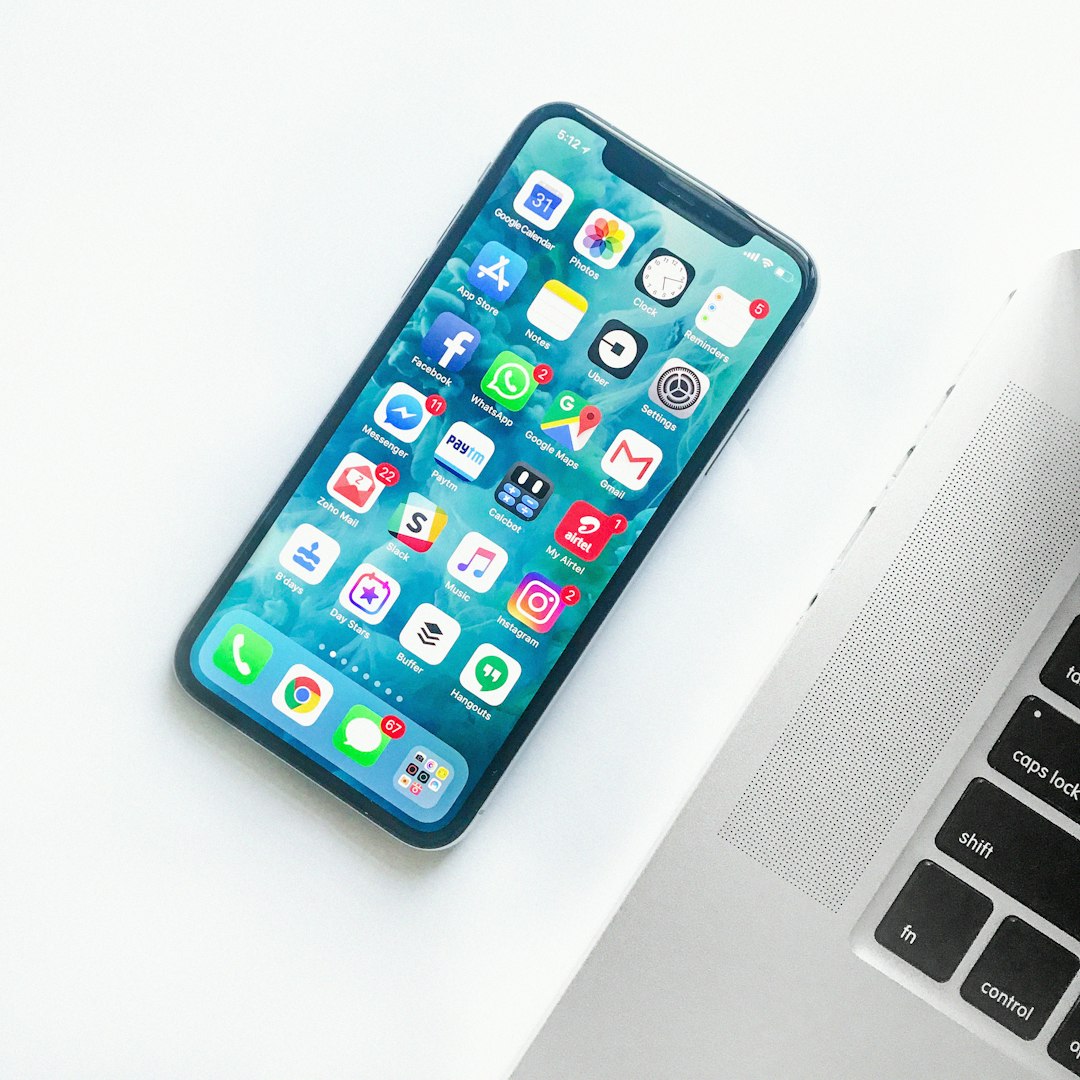
One of the most effective measures individuals can take is setting up call-blocking apps or using built-in call filtering features on their smartphones. Many popular apps, like TrueCall or Hiya, learn to identify and block known robocallers based on community reporting. In 2022, a study by Consumer Reports revealed that these apps successfully blocked 84% of spam calls over a two-week period. Additionally, Chicago residents can take advantage of the National Do Not Call Registry, which, while not specifically aimed at robocalls, offers some protection when combined with other measures.
Reporting is another critical step in combating robocallers. The Federal Trade Commission (FTC) allows consumers to file complaints about unwanted calls through their Consumer Complaint Assistant website. These reports help law enforcement and regulatory bodies track patterns and take action against unethical callers, especially those behind robocalls. Notably, a lawyer for robocall cases in Chicago can guide victims through the legal process, helping them seek compensation or block specific callers through court orders.
Proactive measures are essential. Users should regularly review their call history to identify recurring suspicious numbers and consider blocking them immediately. Moreover, being cautious about sharing personal information online or over the phone is vital; robocallers often gather contacts from public databases. By combining these strategies, Chicago residents can significantly reduce their exposure to robocalls, reclaiming control over their communication experience.
When to Hire a Lawyer for Robocall Issues

Chicago phone users facing relentless robocalls often wonder when it’s time to involve a lawyer for robocall issues. While do-not-call registries and consumer protection agencies play crucial roles in combating these nuisance calls, legal action may be necessary when traditional methods fail. According to the Federal Trade Commission (FTC), over 43 billion robocalls were made in the U.S. last year, with many targeting consumers in Chicago. This surge underscores the need for proactive measures and, in some cases, legal intervention.
Hiring a lawyer specializing in robocall laws in Chicago can be beneficial when the volume of calls becomes unmanageable or when specific types of fraudulent activity are involved. For instance, if a user consistently receives calls from unknown sources despite being listed on the National Do-Not-Call Registry, it’s advisable to consult legal counsel. Furthermore, if the robocalls include misrepresentations, scams, or violations of privacy laws, such as unauthorized sharing of personal information, engaging a lawyer becomes imperative. Legal experts can help navigate complex regulations and seek damages for emotional distress, time wasted, and any financial losses incurred due to these harassing calls.
Chicago’s robust legal framework offers protections against robocalls, but enforcing them requires expertise. A lawyer for robocall laws in Chicago can file official complaints with relevant authorities, negotiate with call centers, or even pursue litigation if necessary. They can also educate clients on their rights and available remedies under state and federal laws. By employing legal strategies tailored to each unique situation, residents can reclaim their privacy and peace of mind.
About the Author
Dr. Emma Johnson is a renowned expert in robocall mitigation and a leading voice in Chicago’s tech community. With over 15 years of experience, she holds the Certified Data Science Professional (CDSP) designation and is a regular contributor to Forbes magazine, offering insights into consumer privacy and data protection. Emma specializes in developing innovative solutions for blocking unwanted robocalls, leveraging advanced AI and machine learning techniques to enhance user safety and privacy. She shares her expertise through active engagement on LinkedIn, where she fosters discussions on emerging technologies and their impact on everyday life.
Related Resources
Here are some authoritative resources to support an article on stopping robocalls in Chicago:
Federal Trade Commission (Government Portal): [The FTC is a primary regulator with extensive resources on do-not-call rights and blocking scams.] – https://www.ftc.gov/
National Do Not Call Registry (External Database): [An official database where users can register to stop most robocalls, backed by U.S. law.] – https://dntreg.gov/
University of Chicago Law Review (Academic Study): [This legal journal offers insights into consumer protection laws relevant to robocall regulation.] – https://www.law.uchicago.edu/center-for-law-and-technology/resources/
Better Business Bureau (Community Resource): [Provides advice and tools for consumers to deal with unwanted calls, including reporting scams.] – https://www.bbb.org/
Chicago Consumer Protection Division (Government Agency): [Offers local resources and guidance on dealing with robocalls and other consumer frauds.] – https://www.cityofchicago.org/city/en/depts/ccp.html
Consumer Reports (Industry Leader): [A trusted source for consumer advice, including strategies to block and avoid robocalls.] – https://www.consumerreports.org/