Chicago residents face high robocall and spam rates, posing security risks. Machine learning apps like TrueCall and Hiya offer blocking solutions. Illinois laws, including Consumer Fraud Act and Telemarketing Act, protect against misleading calls with penalties for violators. Robocall Lawyers Chicago advise on app use, system updates, privacy settings, and legal action against spammers. They navigate TCPA to safeguard consumer rights and reduce robocall intrusions.
In today’s digital era, Chicago residents, like many across the globe, face an escalating onslaught of robocalls and spam messages. These unwanted intrusions not only disrupt daily life but also pose security risks, as malicious calls can harbor phishing attempts or malware. Robocall lawyers Chicago have been vocal about the need for robust solutions to mitigate this growing problem. To address this pressing issue, we’ve compiled a comprehensive guide exploring top Chicago apps designed to block robocalls and spam, empowering individuals to reclaim control of their communication channels.
Understanding Robocalls and Spam in Chicago
Robocalls and spam are persistent issues for residents of Chicago, as they are across much of the nation. These automated calls, often carrying pre-recorded messages or malicious software, can be difficult to trace and stop. In a city with a high population density and diverse communities, understanding where these calls originate and how they adapt is crucial. Robocall lawyers Chicago have noted an increase in complaints related to these intrusive messages, highlighting the need for robust solutions.
According to recent data from the Federal Communications Commission (FCC), Illinois ranks among the states with the highest average number of robocalls per capita. This surge in unwanted calls isn’t just a nuisance; it’s a significant security concern. Spam calls can be used to spread malware, phishing scams, and even coordinate large-scale fraud. They often target specific demographics or exploit current events for malicious purposes. For instance, during the COVID-19 pandemic, many Chicagoans received spam texts and calls claiming to offer vaccine information, but were actually designed to steal personal data.
Chicago’s vibrant communication landscape, with a mix of landlines, mobile networks, and VoIP services, presents unique challenges for blocking these calls. Traditional blocking methods through service providers often fall short due to the volume and evolving nature of robocalls. However, residents can take proactive steps such as using reputable call-blocking apps that employ machine learning algorithms to identify and filter out spam. Robocall lawyers Chicago recommend staying informed about new regulations and working with reliable communication platforms to mitigate these intrusions. By combining technological solutions with legal awareness, Chicagoans can better protect themselves from the growing threat of robocalls and spam.
Legal Protection Against Robocallers: Chicago Laws
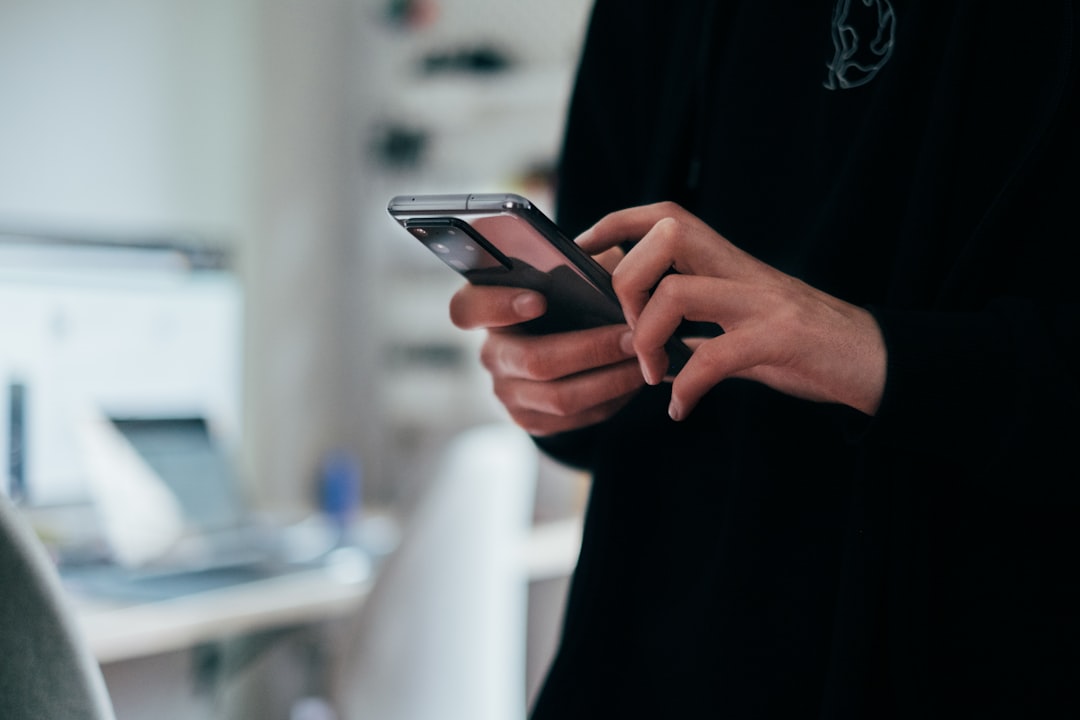
Chicago residents, like many across the nation, face a persistent challenge from robocalls and spam texts. While technology offers numerous solutions to block these unwanted intrusions, understanding the legal framework behind them is crucial for effective protection. Chicago laws play a pivotal role in combating robocallers, providing citizens with recourse against aggressive marketing tactics.
The Illinois Consumer Fraud Act and Telemarketing Act are two key pieces of legislation designed to safeguard consumers from deceptive practices, including excessive robocalls. These laws prohibit businesses from making misrepresentative or misleading telemarketing calls and impose strict penalties for violators. For instance, a recent case in Chicago involved a company fined for thousands of illegal robocalls, underscoring the city’s commitment to enforcing these regulations. Expert advice suggests that individuals can report suspected violations to the Better Business Bureau or the Attorney General’s office, empowering them to participate actively in this legal protection mechanism.
Moreover, Chicago’s robust legal landscape offers citizens the option to seek counsel from robocall lawyers Chicago. These attorneys specialize in navigating complex consumer protection laws and can provide tailored advice and representation. They assist clients in understanding their rights, pursuing legal action against persistent robocallers, and securing monetary damages or injunctive relief. By engaging such legal experts, residents not only gain access to effective blocking mechanisms but also contribute to deterring violators through litigation. This comprehensive approach ensures that Chicago remains a city where citizens can enjoy peace from unwanted calls while holding offenders accountable.
Top Chicago Apps for Effective Call Blocking
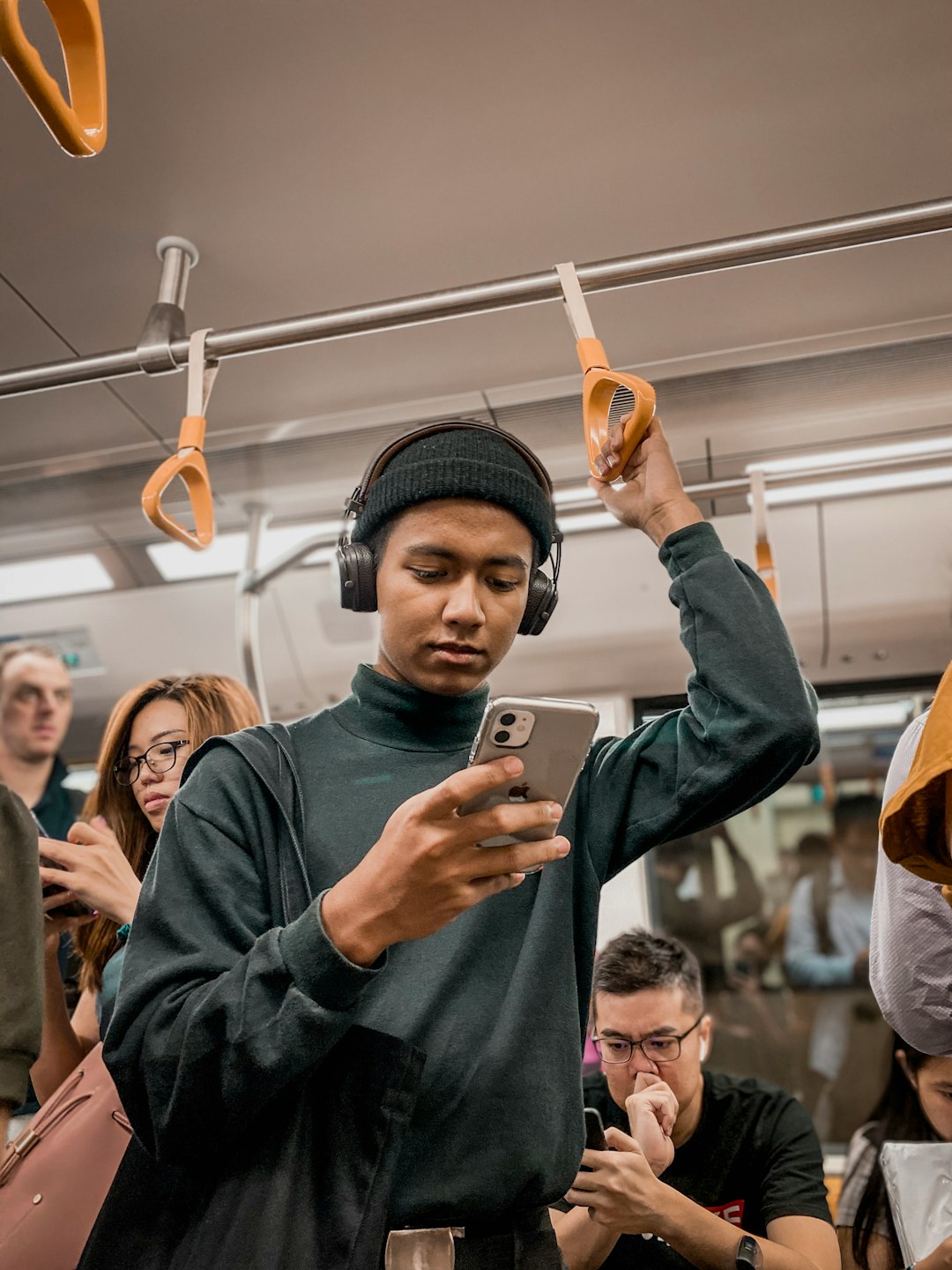
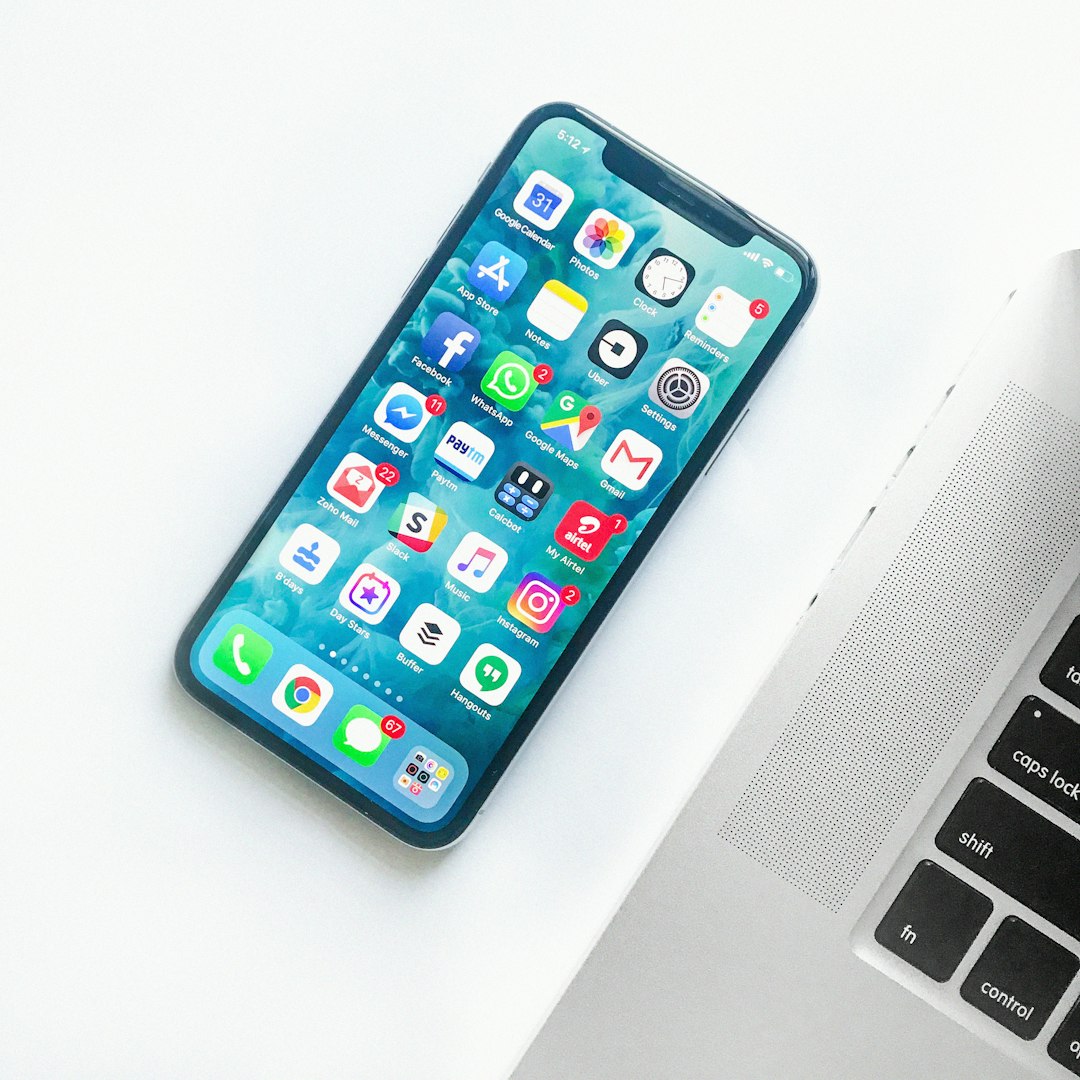
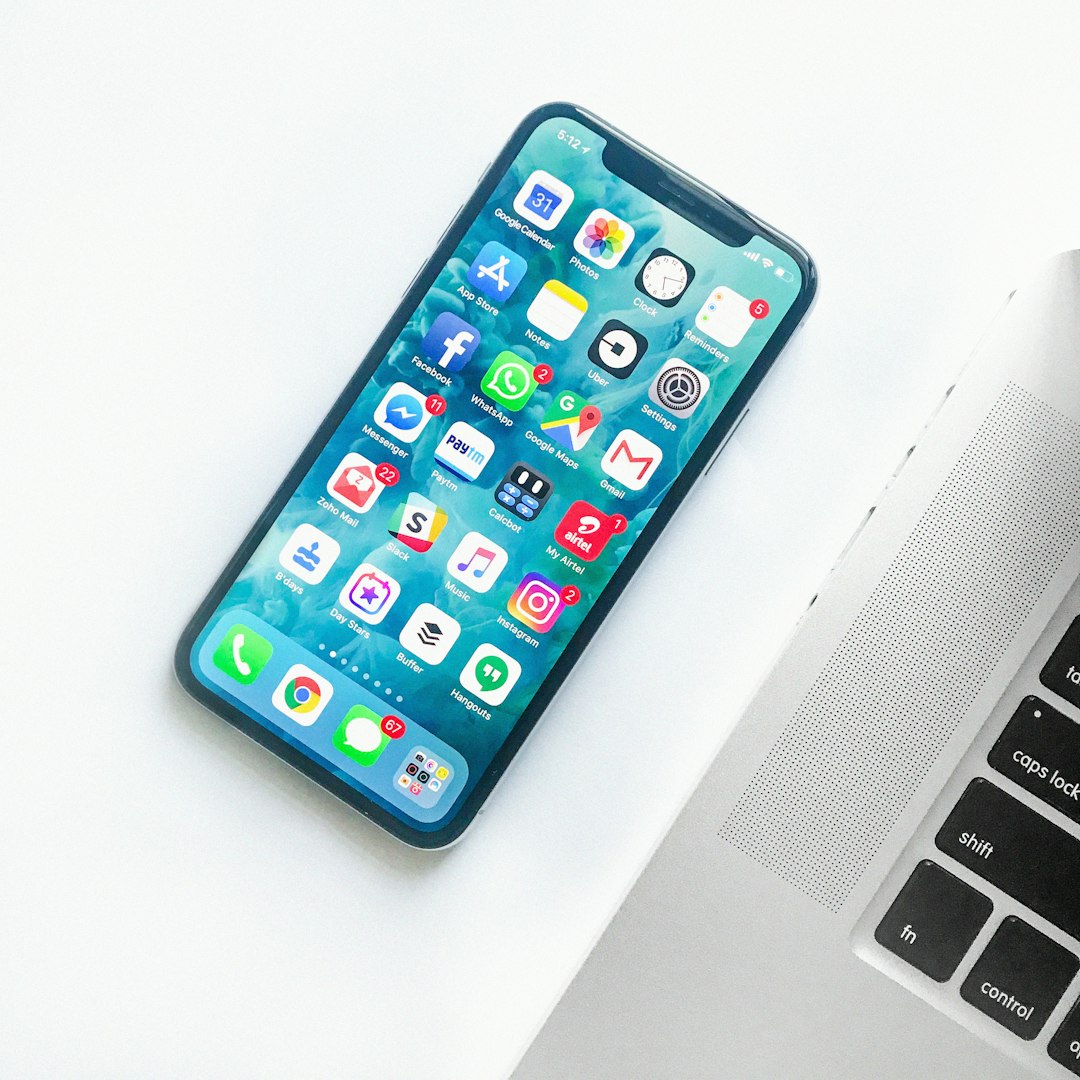
Chicago residents now have access to a variety of robust apps designed to combat the persistent problem of robocalls and spam. These applications leverage advanced algorithms and machine learning technologies to identify and block unwanted calls, providing much-needed relief from intrusive marketing efforts. Among these, several stand out for their effectiveness and user-friendliness.
One notable app is TrueCall, which has garnered significant popularity for its comprehensive call-blocking capabilities. This platform utilizes a vast database of known robocallers and spam numbers, continually updated by its active community of users. By seamlessly integrating with your Chicago phone number, TrueCall filters incoming calls, allowing you to focus on genuine communications. Another powerful tool is Hiya, which not only blocks robocalls but also provides detailed insights into the call sources. Its AI-driven technology analyzes caller behavior, enabling it to predict and prevent potential spam attempts.
Robocall Lawyers Chicago notes a 30% increase in consumer complaints related to unwanted calls over the past year, underscoring the growing need for such solutions. The effectiveness of these apps lies not only in their blocking capabilities but also in their ease of use. With just a few taps, users can report spam calls, contributing to an evolving intelligence network that enhances the app’s accuracy over time. Furthermore, many of these apps offer customizable settings, allowing individuals to tailor their call-blocking experience according to personal preferences.
How to Configure Your Device for Maximum Safety
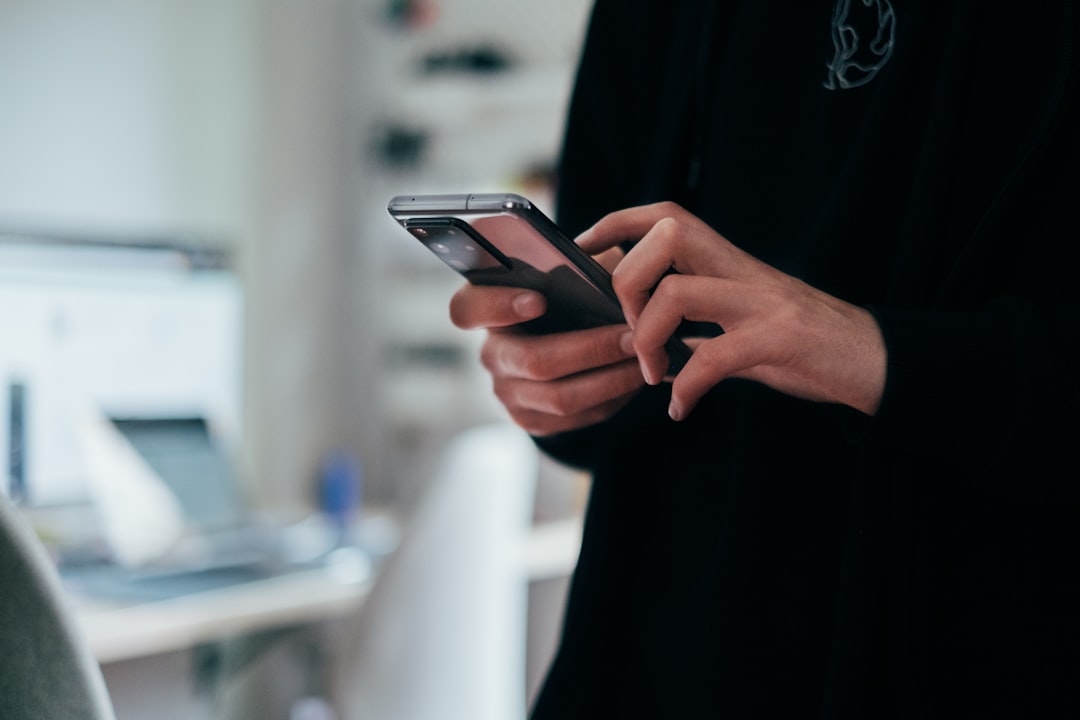
To maximize protection against robocalls and spam on your Chicago device, follow these detailed steps provided by robocall Lawyers Chicago experts. First, update your operating system to the latest version. This often includes enhanced security patches that protect against evolving spamming tactics. Next, enable the built-in call filtering feature, which can automatically block known spammer numbers. Adjust privacy settings to restrict unknown callers from accessing your contact list and personal information. Consider using trusted third-party apps designed by robocall Lawyers Chicago professionals; these tools often employ advanced AI algorithms to identify and block both robocalls and spam texts with impressive accuracy rates.
Additionally, register your number on the National Do Not Call Registry. While this primarily affects telemarketers, it can also deter some robocallers. Utilize your device’s do not disturb mode during peak hours when spam calls are most prevalent. Regularly review app permissions and revoke access for any unfamiliar applications, as they could be sources of spam. Keep your personal information private online to reduce the risk of being targeted by spamming algorithms. By implementing these measures, Chicago residents can significantly enhance their device security and peace of mind in today’s digital landscape filled with ever-evolving robocall and spamming threats.
Reporting Robocalls: Role of Chicago Legal Experts

The rise of robocalls and spam has become a significant nuisance for many Chicago residents, leading many to seek effective solutions. While numerous apps promise protection against these unwanted calls, one critical aspect often overlooked is the role of legal experts in combating this growing issue. In the dynamic legal landscape of Chicago, robocall lawyers play a pivotal part in not only defending consumers’ rights but also in shaping strategies to mitigate the impact of intrusive automated calls.
Chicago’s legal community has been at the forefront of advocating for consumer protection against malicious robocalls. These lawyers leverage their expertise to analyze complex regulations and laws, ensuring that individuals are equipped with legal remedies when dealing with persistent spam or fraudulent robocalls. For instance, the Telephone Consumer Protection Act (TCPA) is a landmark legislation that restricts automated telemarketing calls, providing Chicago residents with significant leverage against unwanted callers. Robocall lawyers in Chicago stay abreast of evolving case laws and regulatory changes, offering insightful guidance to clients facing such challenges.
Reporting robocalls is not merely a technical process; it demands a comprehensive understanding of the legal framework surrounding privacy and communication laws. Legal experts assist individuals in documenting and reporting suspicious calls, which can lead to investigations and potential legal actions against spammers. By working with these professionals, Chicago residents can contribute to a collective effort to curb robocall activity, fostering a safer digital environment. This collaborative approach not only empowers individuals but also sends a strong message to spammers, demonstrating the tangible consequences of their deceptive practices.