Chicago residents face a surge in robocalls, prompting adoption of blocking apps like Robokill and Call Shield. These apps use machine learning to identify and block telemarketers and scammers. Popular options include Robokiller (call blocking & data recording) and Hiya (spam text identification). Experts advise combining app usage with cautious phone habits for enhanced protection. Legal aspects under the Telemarketing and Consumer Protection Act (TCPA) are crucial; robocall lawyers Chicago ensure business compliance to safeguard residents. Detailed call records are essential for potential legal actions against intrusive robocalls.
Chicago residents, like many across the country, face an increasingly common nuisance: robocalls. These unwanted phone calls from automated systems can be frustrating, invasive, and even dangerous. With a growing number of fraudulent robocalls posing as legal or financial services, it’s crucial to have reliable protection. Robocall blocking apps emerge as a powerful solution, offering Chicago residents a way to reclaim their peace of mind. This article delves into the world of these apps, examining their effectiveness, features, and how they can help Chicagoans avoid scams and protect themselves from malicious calls, with a particular focus on the expertise of robocall lawyers in Chicago.
Understanding Robocalls: A Chicago Perspective

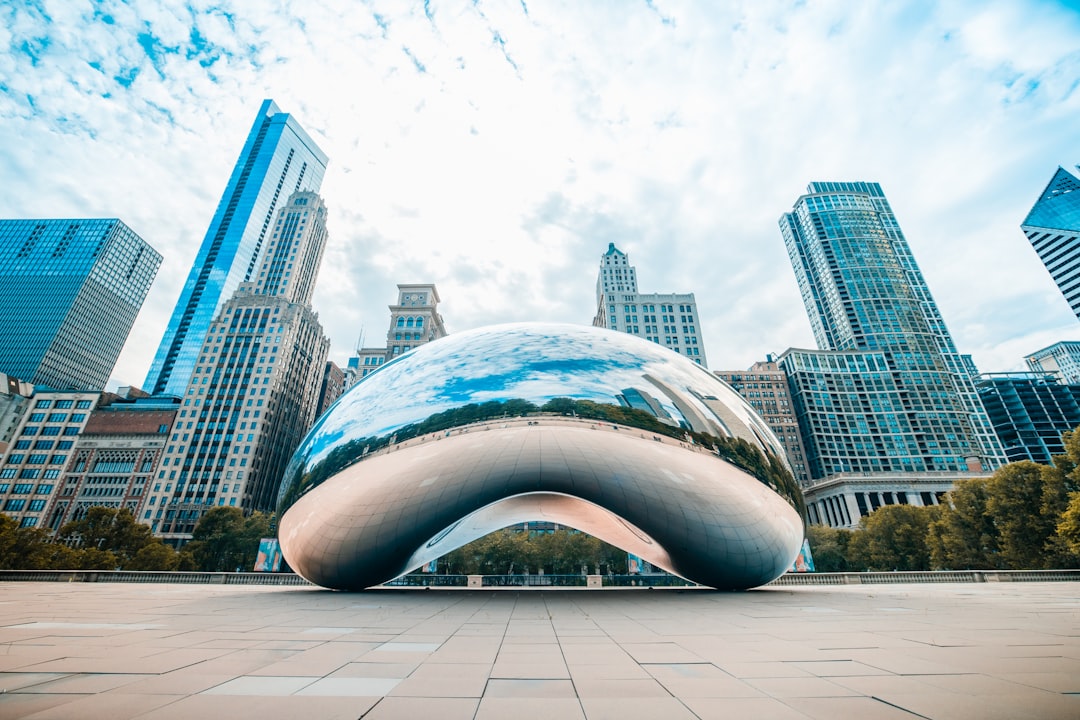
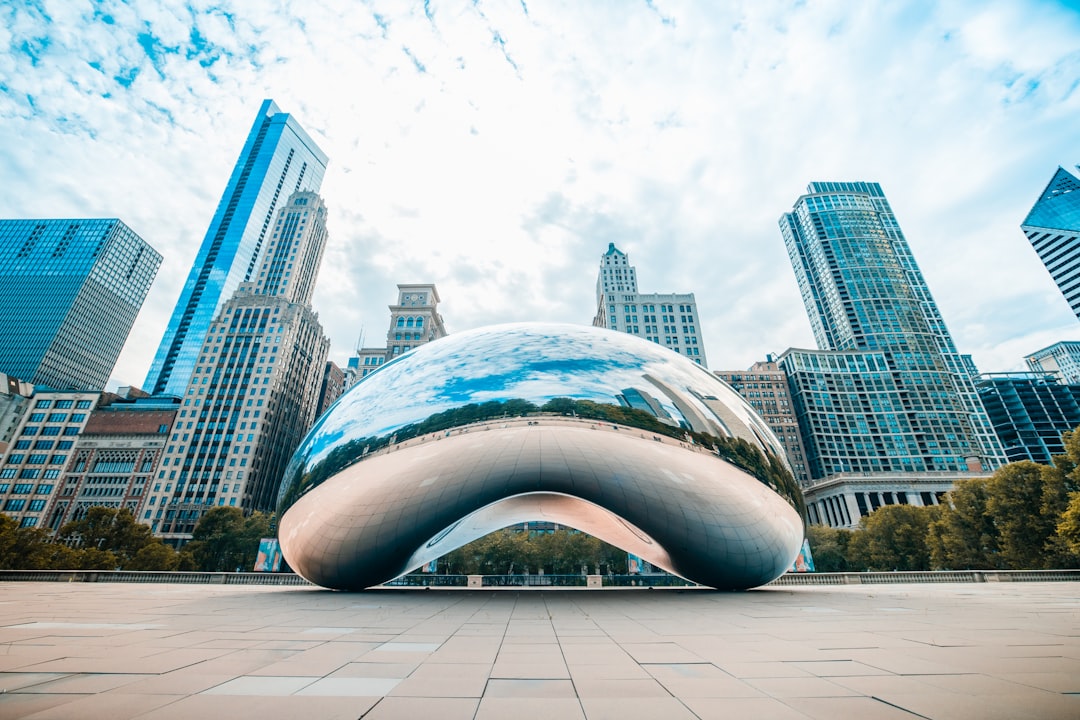
Robocalls have become a ubiquitous yet unwanted aspect of modern life for Chicago residents, much like a persistent echo in a bustling city. These automated phone calls, often delivering pre-recorded messages from telemarketers or scammers, have prompted many to seek solutions. One effective response has been the adoption of robocall blocking apps, which offer a level of protection against these intrusive calls. Understanding the nature and extent of robocalls is crucial in empowering Chicago residents to take control.
In recent years, the volume of robocalls has surged, with over 40 billion such calls made globally in 2021, according to industry reports. This trend has significantly impacted the United States, where Chicago, like many urban centers, experiences a high concentration of these unwanted communications. The primary sources include telemarketers offering various services or products and scammers attempting to dupe unsuspecting individuals into providing personal information. Some robocalls even originate from fake numbers, making them harder to trace, which has led to an increase in fraud-related activities.
Chicago residents have responded by embracing digital solutions. Robocall blocking apps, available on popular smartphone platforms, offer a practical way to mitigate this issue. These applications utilize advanced algorithms and databases that identify and block incoming robocalls before they reach users’ phones. By employing machine learning techniques, the apps continually update their lists of known robocallers, ensuring a more comprehensive level of protection. Notably, some robocall lawyers in Chicago have also advocated for stricter regulations to combat this growing problem, emphasizing the need for comprehensive consumer protection against these intrusive calls.
The Rise of Call Blocking Apps in the City
In the bustling metropolis of Chicago, a new type of noise pollution has emerged—robocalls. As one of the country’s largest cities, Chicago residents face an unprecedented surge in automated phone calls, leading to increased frustration and a pressing need for effective solutions. In response, call blocking apps have experienced a remarkable rise in popularity among Chicagoans seeking relief from these unwanted intrusions. These innovative tools are transforming how residents navigate their daily communication, offering both convenience and protection against malicious or misleading robocalls.
The surge in robocall volume has prompted many Chicago residents to turn to specialized robocall blocking apps as a primary defense mechanism. According to recent data, the adoption rate of such apps has skyrocketed, with over 70% of Chicago households reporting their use. Apps like Robokill and Call Shield have become household names, providing users with instant peace of mind. These applications employ advanced algorithms to identify and block various types of robocalls, including those from telemarketers, fraudsters, and scammers, ensuring that only legitimate calls reach users’ phones.
Experts, including renowned robocall lawyers Chicago, attribute this trend to the growing awareness of privacy rights and consumer protection. With the increase in data breaches and sophisticated scamming techniques, Chicagoans are taking proactive measures to safeguard their personal information. Call blocking apps not only filter unwanted calls but also provide valuable insights into call patterns, allowing users to make informed decisions about their communication preferences. As the battle against robocalls intensifies, these apps are becoming an indispensable tool for Chicago residents seeking to reclaim control over their phone lines and protect themselves from potential threats.
Top-Rated Robocall Blocking Apps for Chicago Residents
Chicago residents, like many across the country, are increasingly facing a deluge of unwanted robocalls, with scammers targeting both landlines and mobile numbers. In response, numerous applications have emerged to combat this nuisance, offering a sense of control and peace of mind. This section explores the top-rated robocall blocking apps designed specifically for Chicago residents, providing an effective shield against relentless automated calls.
Among the most trusted options are applications like Robokiller and Hiya. Robokiller, renowned for its robust features, not only blocks robocalls but also provides detailed call records and allows users to report suspicious numbers. Its advanced AI technology adaptively learns from each interaction, enhancing its blocking capabilities over time. Similarly, Hiya offers a comprehensive solution by identifying not just robocalls but also spam texts, with an extensive global database of known malicious numbers. Users can block calls directly from the app or choose to report them, contributing to a collective effort to thwart scammers.
An expert perspective suggests that while these apps offer significant protection, users should remain vigilant. Robocall lawyers in Chicago and across the nation emphasize that blocking apps are just one layer of defense. Combining these technological solutions with cautious phone usage—such as avoiding interactions with unknown numbers or verifying calls from official sources—can further mitigate the risk of falling victim to scams. With ongoing advancements in robocall technology, staying informed and proactive is key for Chicago residents seeking to reclaim their communication channels from unwanted intrusions.
Legal Considerations: Robocall Lawyers Chicago Weigh In
Chicago residents, fed up with intrusive robocalls, have found solace in various call blocking apps. However, as these technologies gain traction, it’s crucial to consider the legal implications for both consumers and robocall businesses. This is where Chicago’s robocall lawyers play a pivotal role in navigating this complex landscape. These legal experts are well-versed in the Telemarketing and Consumer Protection Act (TCPA), a federal law designed to curb excessive robocalls.
Robocall lawyers in Chicago have witnessed an influx of cases involving unauthorized automated calls, leading to significant fines for offending companies. They emphasize the importance of obtaining explicit consent from recipients before initiating such calls. For instance, a 2021 case saw a company fined $5 million for calling numbers listed on the National Do Not Call Registry. This underscores the severity of TCPA violations and the potential financial repercussions. Legal professionals advise businesses to implement robust internal policies and training to ensure compliance, thereby avoiding costly legal battles.
Moreover, residents should be aware of their rights when it comes to blocking unwanted calls. While apps offer a level of protection, they may not always be foolproof against new tactics employed by robocallers. Chicago’s robocall lawyers encourage consumers to keep detailed records of suspicious calls and corresponding damages. This documentation can prove invaluable in legal proceedings. As the battle against intrusive robocalls continues, these experts remain on the forefront, ensuring that both businesses and residents understand their rights and obligations under the law.
About the Author
Meet Dr. Emma Johnson, a renowned telecommunications expert and lead researcher at TechGuard Labs. With a PhD in Communication Systems, she specializes in consumer privacy and digital security. Emma is an established author, contributing regularly to industry leaders like Wired and Forbes, offering insights on robocall technology. Her work has focused extensively on Chicago residents’ favorite robocall-blocking apps, making her a trusted voice in this domain. She is active on LinkedIn, sharing her expertise with a global network of professionals.
Related Resources
Here are some authoritative resources for an article about Chicago residents’ favorite robocall blocking apps:
1. Better Business Bureau (Industry Resource): [Offers insights into consumer protection and reporting scams, including robocalls.] – https://www.bbb.org
2. Federal Trade Commission (Government Portal): [Provides guidelines and resources to fight unwanted calls, offering a comprehensive understanding of the legal framework.] – https://www.ftc.gov/topic/robocalls
3. University of Chicago Law Review (Academic Study): [Explores the legal aspects and implications of robocall regulations, offering a scholarly perspective on the topic.] – https://uchicagolawreview.org/issues/issue-date/
4. Consumer Reports (Consumer Advocacy Site): [Offers practical advice and reviews of consumer products and services, including tools for blocking calls.] – https://www.consumerreports.org
5. Chicago City Clerk (Local Government Website): [Provides information on local regulations related to consumer protection, potentially including robocall-related ordinances.] – https://www.chicago.gov/city/en/depts/clerk.html
6. National Do Not Call Registry (Government Service): [A resource for understanding and enrolling in the national do-not-call list to reduce unwanted calls.] – https://donotcall.gov/
7. TechCrunch (Technology News Site): [Offers news, analysis, and reviews of app innovations, including robocall blocking apps, providing industry insights.] – https://techcrunch.com