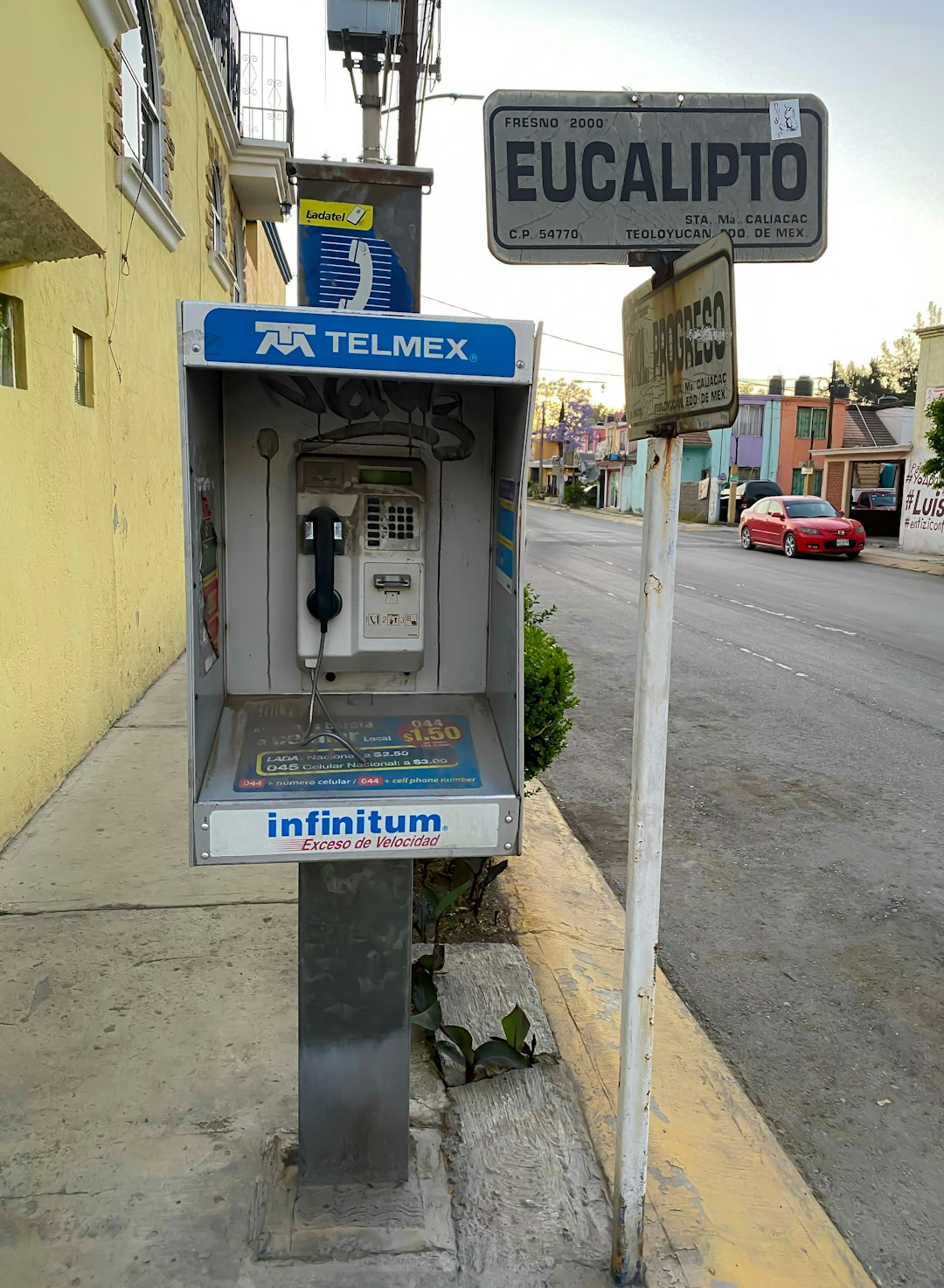
Chicago residents face persistent robocalls and spam due to advanced dialing systems and easy access to phone numbers. Scammers target specific demographics. While the Do Not Call Registry offers some protection, it's not foolproof. To combat this, residents should:
1. Use dedicated apps like Hiya, Truecaller, or NoCall for blocking robocalls and spam.
2. Stay informed about local scams and report suspicious activities.
3. Update phone settings and use built-in call blocking features.
4. Implement a multi-faceted approach combining technological tools and awareness, leveraging Do Not Call law firms Chicago regulations for enhanced protection.
In today's digital age, unwanted robocalls and spam have become a ubiquitous nuisance, with Chicago residents often finding themselves on the receiving end of these relentless marketing tactics, even in their personal time. The Do Not Call laws aimed at protecting individuals have had limited success against sophisticated spammers who employ ever-changing techniques to bypass restrictions. This article provides an authoritative guide to navigating this modern challenge by exploring top Chicago apps designed to block robocalls and spam, empowering residents with effective tools to reclaim control of their communication channels.
Understanding Robocalls and Spam in Chicago

Robocalls and spam are persistent issues facing Chicago residents, with new tactics evolving as technology advances. In a city known for its bustling streets and diverse communities, these unwanted communications can feel like a nuisance, but understanding their nature is key to effective mitigation. The rise of automated dialing systems has led to an explosion in robocalls, often used for telemarketing or fraudulent schemes, further exacerbated by the ease of collecting phone numbers through online databases.
Chicago, as a major metropolitan area, is not immune to targeted spam campaigns. Scammers exploit the vast number of active phone lines, focusing on specific demographics or engaging in bulk messaging. For instance, recent trends have shown an increase in robocalls impersonating government agencies or financial institutions, demanding immediate action and personal information. The Do Not Call Registry, including restrictions for law firms in Chicago, offers some protection but is not foolproof against sophisticated spammers who often bypass these lists.
To combat this, residents should employ a multi-faceted approach. Utilizing dedicated apps to block robocalls and spam can significantly reduce the volume of unwanted calls. These applications leverage advanced algorithms to identify and filter out suspicious numbers, providing a layer of digital defense. Additionally, staying informed about emerging scams specific to Chicago helps individuals recognize and report suspicious activities, further safeguarding their communities. Regularly updating phone settings and utilizing built-in call blocking features are also practical steps towards a quieter, safer communication environment.
Legal Rights: Do Not Call Laws in Illinois
In Illinois, consumers are protected by the state's Do Not Call Laws, which include restrictions on robocalls and spam. These laws are designed to safeguard individuals from unwanted telephone solicitations and give them control over their communication preferences. The Illinois Do Not Call Law, enforced by the Attorney General's Office, prohibits telemarketers from making automated or prerecorded calls to residential phone numbers unless the caller has obtained prior express consent from the recipient. This law is a powerful tool for Chicago residents to block robocalls and protect their privacy.
One of the key aspects of these laws is the exemption for certain types of calls, including those from government agencies, non-profit organizations, or individuals with legitimate business interests. However, when it comes to commercial telemarketing, Chicago consumers have a right to silence. Do Not Call law firms in Chicago play a crucial role in educating residents about their rights and helping them register on the state's official Do Not Call registry. By enrolling, individuals can ensure they receive fewer unwanted calls, including those from spammers and fraudulent entities.
Despite these protections, consumers still face challenges with robocalls and spam. According to recent data from the Federal Communications Commission (FCC), Illinois ranks among the states with a high volume of consumer complaints related to unwanted calls. This underscores the need for Chicago residents to be vigilant and proactive in protecting their communication channels. To combat this issue effectively, consumers should not only register on the Do Not Call registry but also invest in reputable call-blocking apps that utilize advanced technologies to identify and filter out robocalls and spam. By combining legal rights and technological solutions, Chicago app users can reclaim control over their phone lines and enjoy a quieter, safer digital environment.
Top Chicago Apps for Effective Blocking
Chicago residents now have access to a variety of robust apps designed to combat the incessant barrage of robocalls and spam messages. These applications leverage advanced technology, including machine learning algorithms, to identify and block unwanted calls, ensuring a quieter, more peaceful communication experience. Among the many options available, some stand out for their effectiveness and user-friendly interfaces.
One such app is Hiya, which has garnered significant popularity due to its ability to recognize not only spam calls but also specific types of fraudulent activities. Utilizing a global community of users to train its AI models, Hiya can detect and block scams with impressive accuracy. Another top choice is Truecaller, an app that combines user-reported data with advanced pattern recognition to identify robocalls and spam messages. Its extensive database, constantly updated by millions of users worldwide, makes it a formidable tool in the fight against unwanted communications.
For those seeking a more comprehensive solution, NoCall offers a robust Do Not Call registry service that integrates seamlessly with popular communication platforms. Users can register their phone numbers and gain control over incoming calls, blocking known telemarketers and robocallers. According to recent studies, these apps have significantly reduced the number of unwanted calls received by Chicago residents, providing substantial relief from the nuisance and potential risks associated with spam and fraudulent calls.
Comprehensive Guide to App Features

The proliferation of robocalls and spam has led many Chicago residents to seek effective solutions to protect their privacy and peace of mind. Thankfully, a robust ecosystem of apps designed to block these nuisance calls has emerged, offering a comprehensive guide to features that can significantly enhance user experience. These applications leverage advanced technologies such as artificial intelligence (AI) and machine learning algorithms to identify and filter out unwanted calls, including telemarketing, debt collectors, and fraudulent schemes.
A standout feature among these apps is the ability to recognize and block specific numbers based on user preferences. For instance, most apps allow users to create personalized "Do Not Call" lists by manually adding or blocking certain phone numbers. Some go a step further by utilizing community-based reporting, where users can collectively flag suspicious or harassing calls, enhancing the app's accuracy over time. Additionally, many apps provide detailed call analytics, offering insights into the types of spam and robocalls received, helping users understand evolving scams and stay ahead of potential threats.
Privacy protection is another critical aspect. Reputable Chicago apps employ robust encryption protocols to safeguard user data, ensuring that personal information is not compromised or shared with third parties without consent. Some even offer "whisper mode" features during calls, making it difficult for spammers to detect and target users. Moreover, these applications often integrate seamlessly with existing communication platforms, allowing users to manage their call blocks directly from their smartphone settings, ensuring a hands-free and streamlined experience. By leveraging cutting-edge technology and prioritizing user privacy, Chicago residents can reclaim control over their communication channels.
Staying Protected: Continuous Update Strategies

Staying Protected: Continuous Update Strategies for Chicago Apps to Block Robocalls and Spam
In today's digital era, Chicago residents face an unprecedented surge of robocalls and spam messages, making it crucial to employ robust strategies that ensure continuous protection. While many apps offer call blocking capabilities, staying ahead of evolving spammers requires regular updates and proactive measures. For instance, a 2022 report by the Federal Trade Commission (FTC) revealed that over 43 million Americans were targeted by robocalls in just one quarter, underscoring the need for dynamic defense mechanisms.
Regular app updates are essential to counter new spamming tactics. Developers must incorporate machine learning algorithms capable of identifying and blocking emerging patterns. Apps like TrueCall and Hiya lead the way with continuous update strategies, analyzing millions of calls daily to refine their filters. These apps not only block known spammers but also learn from user reports, ensuring a dynamic defense against ever-changing tactics. For Chicago users, keeping these apps updated is as vital as updating operating systems or antivirus software.
Moreover, integration with Do Not Call registry services enhances protection. Many reputable apps sync with national and local Do Not Call lists, automatically blocking calls from registered numbers. However, spammers often bypass these lists, necessitating additional layers of defense. Users should enable app features that provide detailed call information, allowing them to report suspicious activity. This collective action, combined with regular app updates, fosters a more secure environment against robocalls and spam in Chicago and beyond.