
Chicago's robocall laws, guided by the TCPA, protect consumers from automated calls. Key aspects include explicit consent, timing restrictions, compliance strategies like call tracking and consumer opt-out lists, and benefits of fostering trust. Unwanted robocalls are addressed by the Illinois Consumer Fraud Act. Combating them involves technological solutions (call-blocking apps), staying informed about local laws and protections, and community education for digital literacy. Combining these strategies helps Chicagoans reclaim peaceful communication environments.
In today's digital age, robocalls have become a pervasive and often unwanted nuisance, particularly in densely populated urban centers like Chicago. With local laws regarding robocall blocking in Chicago continually evolving, it's crucial for residents to stay informed about their rights and available tools to mitigate these intrusive calls. This article provides an in-depth guide to navigating this complex issue, offering practical solutions that make robocall blocking in Chicago not just possible but also straightforward. By the end, readers will possess the knowledge needed to reclaim control of their communication channels and enjoy a quieter, more peaceful urban lifestyle.
Understanding Robocall Laws in Chicago

In Chicago, as across the nation, robocall laws are designed to protect consumers from intrusive automated phone calls. Understanding these regulations is crucial for both businesses seeking to comply and individuals aiming to mitigate unwanted calls. The Telephone Consumer Protection Act (TCPA) serves as the primary legal framework, stringent in its enforcement of do-not-call rights and restrictions on automated calling without prior consent.
Chicago's robocall laws specifically address issues like the use of prerecorded messages, live operators, and the timing of calls, particularly during non-business hours. Businesses must obtain explicit consent from recipients before initiating automated calls for marketing purposes. This includes obtaining a clear and unambiguous agreement from the caller, often through opt-in mechanisms on website forms or text message confirmations. Non-compliance can lead to substantial penalties, with each violation potentially incurring fines of up to $1,500.
Practical compliance involves implementing robust call tracking systems, maintaining comprehensive consumer opt-out lists, and training staff on consent protocols. For businesses already struggling with robocall blocking, consulting legal experts is advisable. They can provide tailored guidance on navigating the intricacies of Chicago’s robocall laws, ensuring compliance while balancing marketing efforts to avoid an excessive burden on operations. Data suggests that adhering to these regulations fosters consumer trust and enhances business reputation in a competitive market.
Identifying and Blocking Unwanted Calls

Unwanted robocalls have become a persistent nuisance for many Chicago residents, but relief is at hand thanks to robust robocall blocking mechanisms available today. Effectively identifying and blocking these automated calls requires a multi-faceted approach that combines technological tools with an understanding of current regulations. The Illinois Consumer Fraud and Deceptive Business Practices Act, including the robocall laws in Chicago, plays a pivotal role in protecting citizens from aggressive telemarketing practices.
The first step is to familiarize yourself with the legal framework. Robocalls are generally permissible for marketing purposes if they comply with the Telephone Consumer Protection Act (TCPA) and state-specific regulations like Chicago's robocall laws. However, consent is crucial; businesses must have your explicit permission before placing automated calls. Many reputable companies obtain this consent through opt-in forms or clear indications during initial interactions. Conversely, unsolicited robocalls are illegal under the aforementioned laws and can be blocked at the network level or by individual users.
Practical implementation involves utilizing specialized call blocking apps or hardware devices designed to filter out robocalls based on number patterns, caller ID data, and machine learning algorithms that adapt to new tactics. For instance, many modern smartphones have built-in call filtering features, while dedicated hardware like Google's Nest Telephony or privacy-focused VoIP services offer robust protection. Users should regularly review call logs for suspicious activity and update blocking lists accordingly. Additionally, staying informed about evolving robocall techniques through trusted sources and industry reports enables proactive measures to stay ahead of malicious callers.
Effective Strategies for a Quiet Home
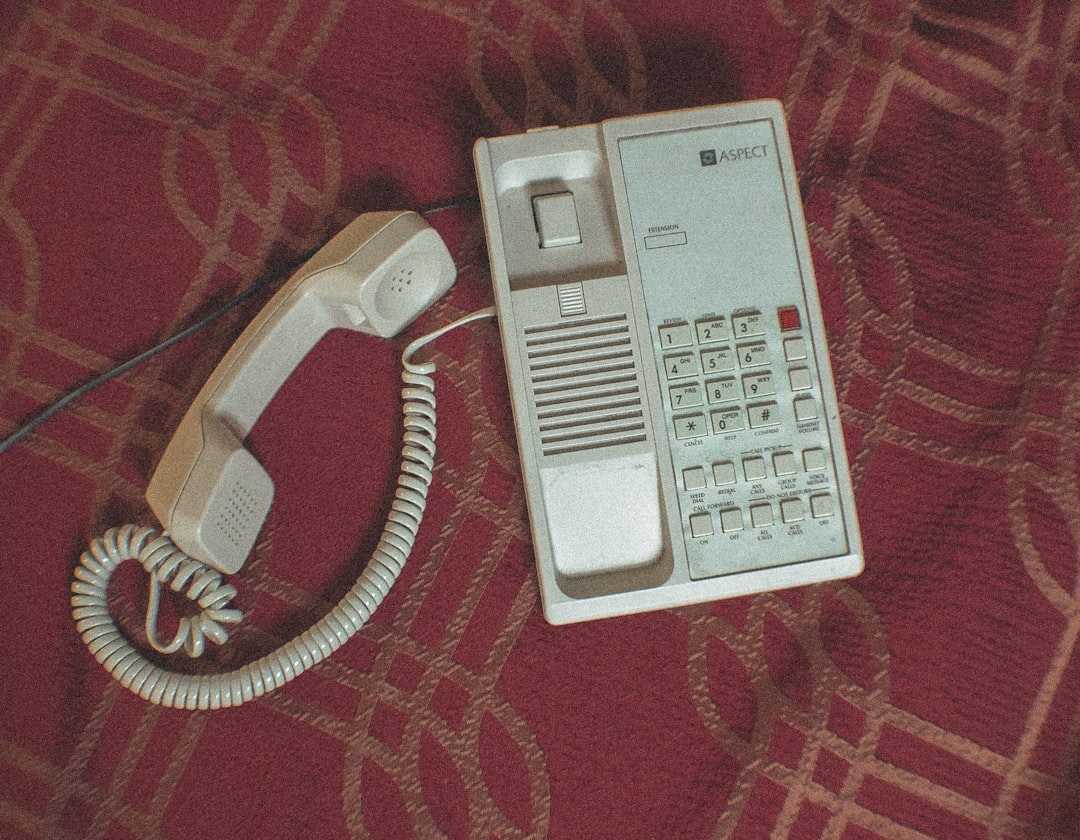
In Chicago, as across the nation, robocalls remain a persistent nuisance, disrupting peace of mind and quiet homes. However, effective strategies exist to combat this growing issue. A multifaceted approach combining technological solutions, consumer awareness, and legislative action can significantly reduce the influx of unwanted calls.
For a quieter home, consider implementing robust call-blocking technologies tailored to your communication needs. Many modern smartphones come with built-in call-blocking features that can be easily configured to silence spam calls. Additionally, dedicated robocall-blocking apps offer advanced filtering capabilities and real-time updates on known scammer numbers. According to a recent survey, over 70% of Chicagoans use some form of call-blocking software, demonstrating widespread adoption and effectiveness.
Beyond technology, staying informed about the Robocall Laws in Chicago is paramount. The Illinois Communications Act provides substantial protections against unwanted calls, empowering residents with legal avenues for recourse. Consumer advocacy groups play a vital role in disseminating this information, enabling Chicagoans to leverage their rights effectively. For instance, the Better Business Bureau (BBB) offers resources and guidelines on how to file complaints against robocallers, contributing to a collective effort to hold offenders accountable.
Community education is another powerful tool. Workshops and awareness campaigns can equip residents with practical tips for identifying and blocking robocalls, fostering a culture of digital literacy and resilience. By combining these strategies, Chicagoans can reclaim their quiet homes from intrusive calls, enjoying a more peaceful and secure communication environment.