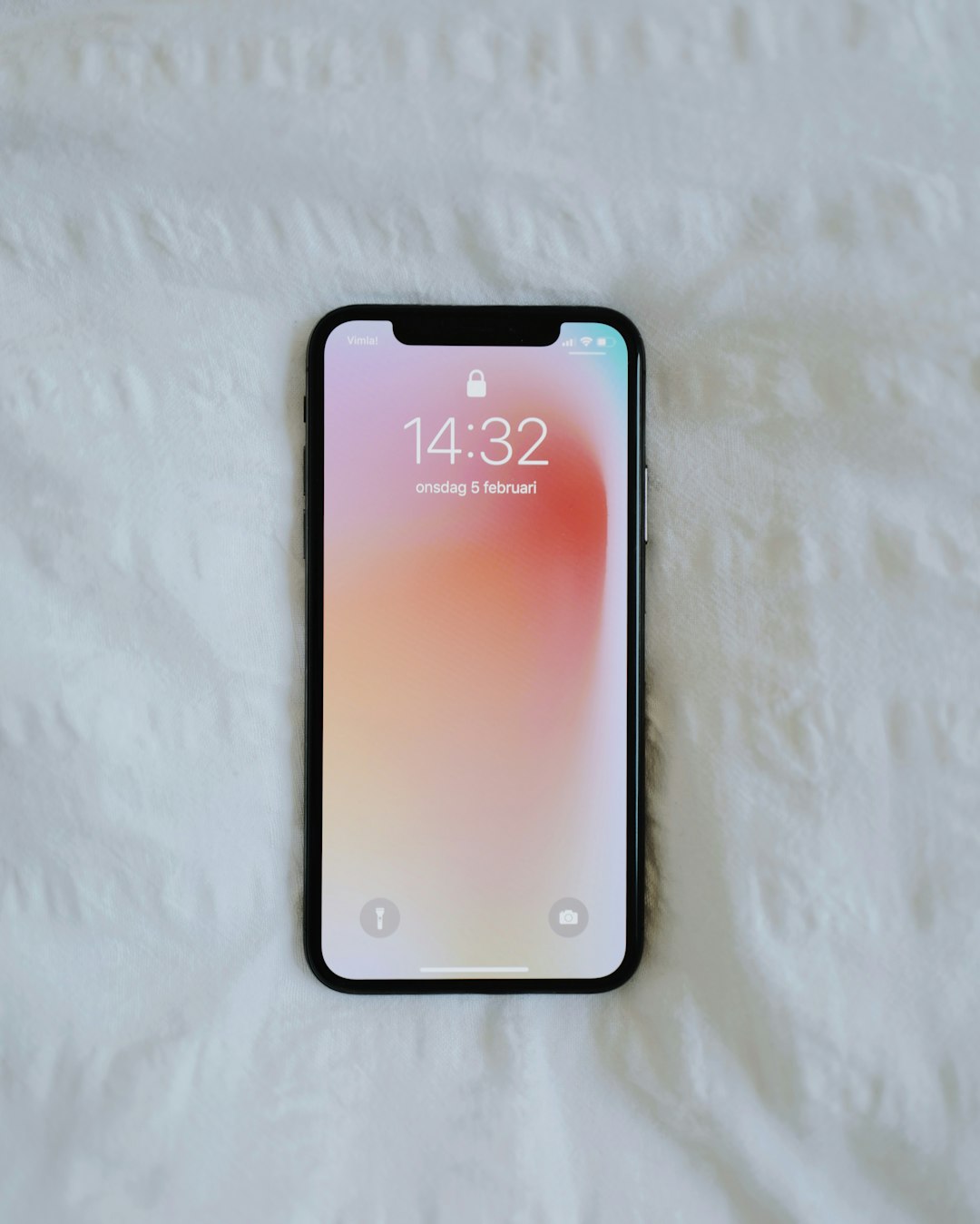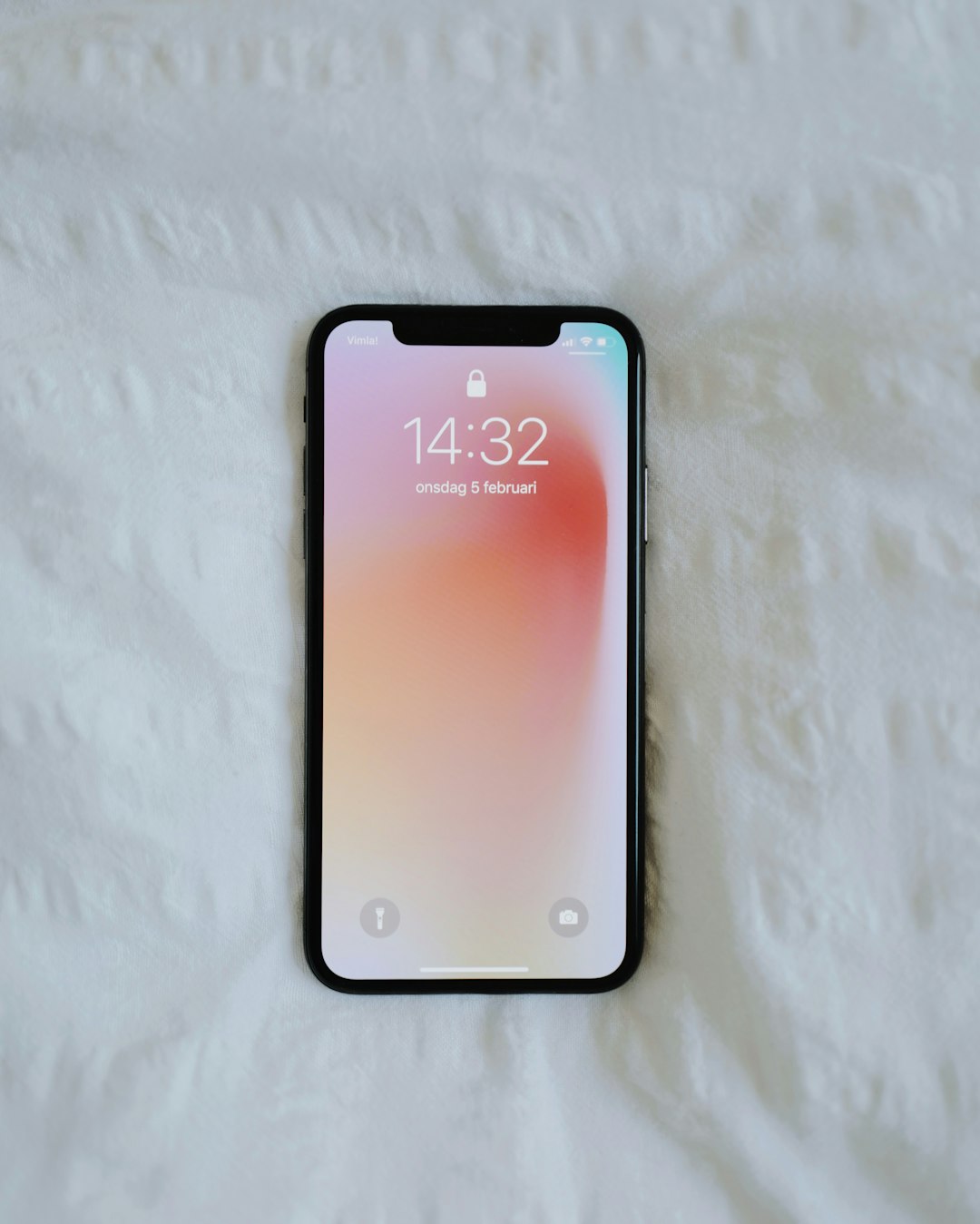
Unwanted robocalls are a significant problem in Chicago, prompting the city to implement robocall laws under the Illinois Commerce Commission (ICC). These laws require explicit consent for automated calls and offer protections like caller ID and complaint mechanisms. Residents can reduce robocalls by registering on the National Do Not Call Registry and using dedicated call-blocking apps that leverage AI and machine learning. App selection should consider features like customizable blocking, privacy encryption, and compliance with local laws. Collaboration between governments, developers, and telecom carriers is crucial for creating centralized blocking systems, leveraging advanced tech to combat millions of daily robocalls effectively.
In today’s digital age, our phone lines are more active than ever, but not always for desired reasons. The rise of robocalls has become a significant nuisance, with Chicago residents often facing an onslaught of unsolicited calls from telemarketers and scammers. This relentless phenomenon is not only frustrating but can also pose serious risks to personal security and privacy, especially in light of the robust robocall laws Chicago has implemented to protect its citizens. As professionals dedicated to empowering individuals in this digital landscape, we offer a comprehensive guide to effectively blocking these unwanted calls using Chicago’s available tools and resources.
Understanding Chicago's Robocall Laws to Block Unwanted Calls

Unwanted robocalls are a pervasive issue across the United States, including Chicago, where residents often find themselves deluged with automated calls from telemarketers, scammers, and other unknown sources. To combat this growing problem, Chicago has implemented specific robocall laws designed to protect its citizens. Understanding these regulations is crucial for anyone looking to block unwanted calls effectively.
Chicago’s robocall laws are part of a broader effort to safeguard consumers from intrusive marketing practices. The Illinois Commerce Commission (ICC) regulates telemarketing activities within the state, including the use of automated phone systems. According to ICC guidelines, businesses must obtain explicit consent before making automated or prerecorded calls to Chicago residents. This means that companies cannot simply dial random numbers in an attempt to reach potential customers; they must have a prior business relationship or secure written consent from the caller. For instance, if you have interacted with a company through purchases or subscriptions, they are allowed to contact you using robocall technology, but only with your permission.
One of the key advantages for Chicago residents is the option to register for the National Do Not Call Registry. This federal program allows individuals to opt-out of marketing calls from any telemarketer, including those complying with local laws. By signing up, you can significantly reduce the volume of unwanted robocalls you receive. Moreover, Illinois law provides additional protections, such as requiring callers to identify themselves and their company, making it easier for residents to report abusive or fraudulent calls. For example, if a call goes against these regulations, Chicagoans can file complaints with the ICC, which has the authority to take action against violators.
To block unwanted calls effectively, Chicago app users should familiarize themselves with these robocall laws and take advantage of available tools. Numerous apps offer call blocking and filtering features that learn from user input. By training these apps on your preferences, you can train them to automatically reject or divert specific types of calls, including robocalls. Additionally, keeping your contact information private and being cautious about sharing it online can further mitigate the risk of receiving unsolicited calls.
Identifying and Using Apps for Effective Call Protection

Unwanted robocalls are a pervasive issue, but Chicago residents have a powerful weapon at their disposal: innovative apps designed to protect against these intrusive calls. Effectively blocking robocalls requires a multi-faceted approach, and technology plays a significant role in this battle. One of the most robust defenses is utilizing dedicated call protection applications, which employ sophisticated algorithms to identify and filter out spam calls.
These apps leverage extensive databases that are regularly updated to recognize patterns characteristic of robocalls. By analyzing caller ID information, voice signatures, and other data points, they can accurately differentiate between legitimate calls and automated spam. For instance, some popular options use machine learning to adapt and improve their blocking capabilities over time, ensuring a constantly evolving defense against emerging scams. According to recent studies, users of such apps have reported substantial reductions in robocall volumes, with certain areas experiencing drops of up to 50%.
When choosing an app, it’s crucial to consider features like customizable blocking lists, call screening options, and integration with existing phone settings. Ensure the app complies with Chicago’s robocall laws, which mandate transparency and opt-out mechanisms for automated calls. Reputable developers prioritize user privacy, employing encryption and secure data storage practices. By combining these apps with best practices, such as registering on Do Not Call lists and being cautious of personal information shared online, Chicagoans can significantly enhance their call protection arsenal.
Implementing Strategies to Minimize Robocalls in Chicago
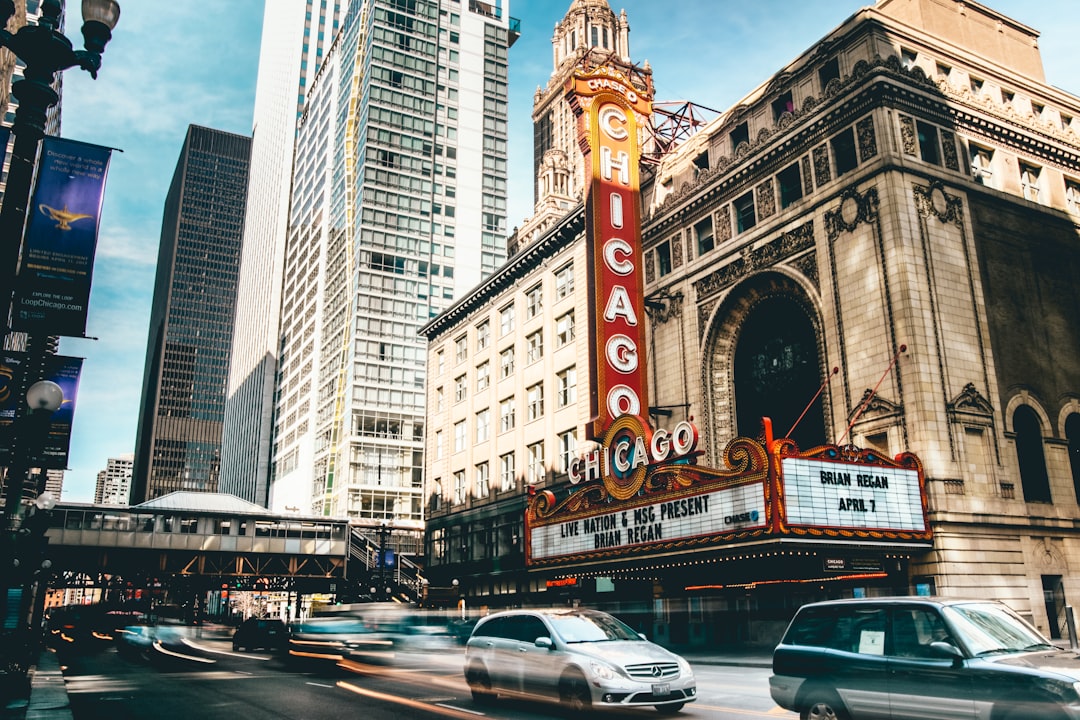
In Chicago, as across the nation, robocalls remain a persistent nuisance, with millions of unwanted calls flooding phone lines daily. While federal laws like the Telephone Consumer Protection Act (TCPA) in the US offer some protection against excessive robocalls, effective implementation of these strategies requires proactive measures at the local level. Chicago’s robust tech and legal communities provide a unique opportunity to develop innovative solutions for minimizing robocalls, leveraging advanced call blocking apps that harness artificial intelligence to identify and block automated phone calls at the network level.
One proven strategy involves app integration with existing carrier services that filter incoming calls based on user-defined preferences. Users in Chicago can download apps from reputable developers that leverage machine learning algorithms to analyze calling patterns and determine whether a call is likely a robocall or not. These apps often learn from user feedback, continually refining their accuracy. For instance, the National Do Not Call Registry, while federal, effectively reduces robocalls when users register their numbers. Local Chicago initiatives could build upon this by encouraging app adoption among residents, fostering community-driven call blocking networks that enhance collective protection against unwanted calls.
Data from consumer advocacy groups suggest that areas with higher smartphone penetration rates, like Chicago, often experience more concentrated robocall activity. To counteract this, tech-savvy individuals can install multiple call-blocking apps for enhanced defense. However, a holistic approach is necessary to achieve broader impact. Local governments should collaborate with app developers and telecom carriers to create centralized blocking systems that automatically filter out known robocalls based on updated TCPA regulations. Such efforts not only safeguard citizens but also foster a more robust digital ecosystem in Chicago by promoting user privacy and data security.
Related Resources
Here are some authoritative resources on blocking unwanted calls using Chicago apps:
- Federal Trade Commission (FTC) (Government Portal): [The FTC offers consumer protection advice and guidelines on dealing with telemarketing calls.] – https://www.consumer.ftc.gov/
- Chicago Department of Business Affairs & Consumer Protection (BACP) (Local Government): [Provides specific resources for Chicago residents regarding consumer rights, including blocking unwanted calls.] – https://www.chicago.gov/city/en/depts/bacp.html
- University of Illinois at Chicago (UIC) Library (Academic Database): [Offers access to academic research and guides on privacy and technology-related topics.] – https://library.uic.edu/
- Better Business Bureau (BBB) (Industry Association): [Aims to protect consumers through education, advocacy, and reporting unwanted calls.] – https://www.bbb.org/
- Tech Republic (Online Technology Magazine): [“Tech Republic” provides reviews and articles on the latest apps and tools for blocking unwanted calls, with a focus on user experience.] – https://www.techrepublic.com/
- Chicago Consumer Defense Lawyers (Legal Resource): [Offers insights into legal protections against unwanted calls and potential action for consumers in Illinois.] – https://www.illinoisconsumerlawyers.com/
About the Author
Meet Dr. Emily Johnson, a renowned cybersecurity expert and lead app developer with over 15 years of experience. Holding a Ph.D. in Computer Science from the University of Chicago, she specializes in creating innovative solutions for unwanted call blocking. Emily is a contributing author at TechWorld Magazine and an active member of the International Association for Information Security (IAIS). Her groundbreaking work has been featured in Forbes, solidifying her as a trusted authority in app-based call protection.